By Natalie Roy (Bicycling Realty Group | KW Metro Center) and John Eric (Compass Real Estate)
Lyon Park is one of DC’s most desirable areas, as it provides the best of urban/suburban living with its easy access to stores, shops, and restaurants. Not to mention that the commute to many jobs is very easy. Numerous corporations have chosen Arlington to host their corporate headquarters, which will only continue to drive up the desirability of our neighborhood.
Pricing in Lyon Park generally sits on the higher side, and our current market inventory is still bearing that out. Limited inventory always means high prices. The COVID era created a hyperactive sellers-market, with much more demand than inventory. Remote-working professionals wanting to improve their living situation, historically low interest rates and low inventory set the market on fire. For competitively priced homes, multiple offers, waived contingencies, and escalations over list price were the norm. Offers made sight unseen and contracts done in one day were not unusual. Home prices skyrocketed, increasing 20%-30% in just over two years.
However, we are seeing an easing in the market due to inflation concerns as well as the rise in interest rates. While there is still competition, home inspections and financing contingencies have returned, and if a home is not competitively priced or presented well, it will sit longer on the market. Buyers are becoming pickier because of the cost of the home (price + interest).
Housing inventory continues to be a challenge. In June, active listings in Arlington were down again by 20% from the same time last year. With a decrease in supply, one would expect to see an increase in average prices, and in fact the average sales price in June was up a slight 2% in the past year. Unit sales were down by 21%, pushing Months of Supply up to a moderate 1.5 (this means it would take about 1.5 months for all available inventory in our market to sell). The average days a house sits on the market experienced no change, continuing to hover around three weeks.
At the end of the day, unless you are an investor, you should worry less about resale value and more about what kind of home you will enjoy living in. If the past is any indicator, this region is very resilient. It has been able to weather many economic downturns and should be able to do so in the future.
Lyon Park is listed on the National Register of Historic Places, #03000437? In 2003, a group of dedicated neighbors put together a successful nomination to create the Lyon Park Historic District through the Virginia Department of Historic Resources. Our community met National Register criterion A (an event, series of events or activities, or patterns of an area’s development) and Criterion C (A building form, architectural style, engineering technique, or artistic value, based on a stage of physical development, or the use of a material or method of construction that shaped the historic identity of an area). Criterion B, for those who are curious, requires association with an important person, so please let us know if any previous presidents have slept in your home!
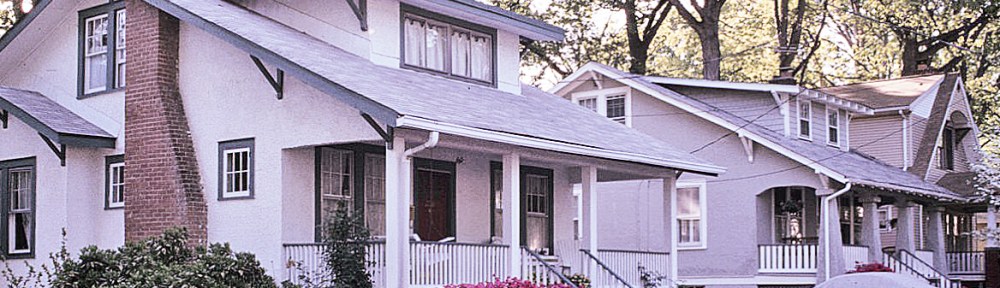
Lyon Park is an example of the enormous growth that occurred in and around Washington DC, following the first World War. Architectural styles in the neighborhood reflect community planning and development, with a proliferation of Craftsman Bungalows, American Four Squares, Colonial Revivals, and especially pre-fabricated kit homes (Sears Bungalows) which were perfect for Lyon Park’s modest lots. Even the garden apartments were important contributors, meeting the needs of young professionals flooding to the nation’s capital.
At the time of the review of Lyon Park’s nomination, there were 1,165 structures that positively contributed to our Historic District approval and 329 non-contributing structures. The Lyon Park Community House, built by and for the community in the mid 1920s, was a critical contributing structure. During the 2015 renovation, great care was taken to meet the Secretary of the Interior’s Standards for the Treatment of Historic Properties. That is why, for example, the framing of the added kitchen and restrooms spaces are smaller than the original building, making it visually clear which part of the building is dominant (original). That is also why the roof material of the sunroom is different from the original part of the building, to better show that it is a later addition to the main hall.
Mary Lou Dodge is a fun‐loving 91‐year‐old who lives in the same Lyon Park home that her family built in 1933 when she was three years old. We first met last year when I stopped to admire the stately oaks in her yard. Thus began a friendship between us that provided a window into Lyon Park’s history.
Mary Lou’s parents purchased their lot from an African American woman who owned several acres in Lyon Park. At that time, N. Fenwick Street had only four homes (there are now 17). The street extended only as far south as the current location of Long Branch Elementary School. Once the pavement ended, a path led south to a dirt road bordered by tall grasses, now known as Highway 50. Mary Lou remembers seeing horses from Fort Myer ride down this road, which ended at Seven Corners, the site of a Christmas tree farm.
On Sunday mornings, her family would occasionally drive west on the dirt road, then absent of houses or cars, to have break‐ fast by one of the many creeks that now flow under the high‐ way. They would make a fire, over which her mother would fry eggs and bacon on a skillet. During one of these outings, they met soldiers on horseback from Fort Myer. One of them gave her brother a horse ride, which he remembered for the rest of his life. For her part, some of Mary Lou’s fondest childhood memories are of her father reading to her and her siblings before bed. He loved Charles Dickens and would read them A Christmas Carol and Treasure Island by Robert Lewis Stevenson.
Mary Lou’s father worked as a private secretary for a retired col‐ onel. During the week, he would walk to N. Pershing Drive to catch a bus to his office downtown at 17th and K Streets NW. With no sidewalks in Lyon Park in those days and few vehicles, he would walk right down the middle of N. Fillmore Street.
In Lyon Park, the countryside didn’t feel far away. A pasture with a barn and cows nestled in the block enclosed by Highway 50, N. Highland Street, and N. Irving Street, across from the current Thomas Jefferson Community Center. Several of Mary Lou’s neighbors kept chickens. A family lived in a rundown house where the elementary school now stands and Mary Lou’s parents would not allow her to wander to the area that is now the corner of N. Fillmore Street and Arlington Boulevard, as vagrants and drunks tended to gather there. A small, shallow und) flowed through Lyon Park along the route of the pedestrian pathway in Fillmore Park.
The neighborhood was much quieter than it is now, though she remembers hearing the rumble of her family’s 1933 Chevrolet before seeing the car come into view over the hill on N. Fillmore Street. She and her uncle’s family, who also lived in the neigh‐ borhood, both had “victory gardens,” or vegetable gardens used to supplement food rations during World War II. Coffee was always in short supply during the war and when people heard that the grocery store (or “sanitary store”) had coffee in stock, they would rush there to buy it.
During gasoline rationing, the Dodge family would maximize their gas mileage for summer vacations by sailing on the Norfolk Steamer ship from DC with their car on board to Seashore State Park (now First Landing State Park) in Norfolk. Mary Lou vividly recollects a vast lineup of warships positioned nose‐to‐tail along the mouth of the bay to protect against German submarines. At the time, Virginia Beach was off‐limits to bathers due to debris from sunken ships that had washed up on shore.
When Mary Lou was in the seventh grade, she would spend time after school with a friend who lived in the apartments that are now Cambridge Courts Condominiums. Before the girl’s parents would return from work, they would make prank calls to stores that sold cans of Sir Walter Raleigh brand tobacco. She remembers warning the cashiers: “Do you sell Sir Walter Raleigh in a can? Well, you better let him out!”
The neighborhood’s main street was N. Pershing Drive and the busiest intersection (Pershing and Washington Boulevard) housed a drugstore, a grocery store, and a gas station, among other businesses. Her mother shopped there and also frequented a farmer’s market at 10th and E Streets SW, streets that no longer exist. That area is now L’Enfant Plaza, bordered by a tangle of highways. There was also a swimming pool near Hains Point; it closed one summer due to a polio epidemic.
Together with her two brothers, Mary Lou delivered the Evening Star newspaper to earn extra money. The paper was much thinner than today’s newspapers, almost the size of a pamphlet. She showed me exactly how she used to fold one page into another to make it easy to throw.
Mary Lou’s grandmother would come from Tennessee to live with them for part of the year. She would listen to radio soap operas, gushing with love stories and drama, which Mary Lou’s mother prohibited her from hearing. Nevertheless, she found a way to enjoy the sappy, tearful dialogues of the radio program “Stella Dallas.” She would sit on the front step outside the door, which afforded her a place to listen out of her mother’s sight.
All of Mary Lou’s girlfriends married directly after graduating from high school and did not attend college. Mary Lou, how‐ ever, earned a degree in chemistry at the University of Mary Washington. The income from her paper route covered half of the tuition of her first year in college. Once she started her career as a chemist in Richmond, she would regularly take the train home, a journey that cost $5.00.
Call to Order (call to order by Jeannette Wick at 7pm) BOG Members present: Jeannette Wick, Elizabeth Wray, Natalie Roy, Bill Anhut, Aaron Schuetz, Sheyla White, Bess Zelle, Paul Showalter, Tagrid Wahba
BOG Members absent: none
Guests present: Sue Robinson, Elizabeth Sheehy, Thora Colot
Approval of the minutes of 10_14 (not voted for approval. Will be voted on at next meeting)
Announcements
Aaron: BOG Meeting documents – online organization (proposed: agenda, minutes, and supporting documents will reside in online folder. All with this link have comment access) In the final minutes, linked documents will also be included as addendum at the bottom.
Aaron: Can we limit “email meetings” to emergency and information sharing only? Monthly meetings allow us to raise issues that can be researched and discussed the following month. Items should be included in the agenda, and request made for preparation/research when appropriate. Either in advance of the next meeting, or before the following meeting.
Discussion: Bess and Natalie and a few others pushed back on the idea of restricting email usage. Many comments were based on the need for information sharing, or dealing with emergency situations. Aaron reiterated that this was about focusing our work around the monthly meetings, rather than asking for peoples’ times throughout the month to weigh in on topics that often could wait until the meeting.
Jeannette commented that some people don’t check their email often, while others get many emails regularly, and that long email chains are difficult for some to keep up with.
Action: no decision, but request that folks determine immediacy of material before emailing vs. adding to agenda.
Standing Agenda:
NEW BUSINESS FIRST: Sue Robinson and Elizabeth Sheehy present LPCA report on Community Center (LPCA had requested them to look into rental issues based on their experience with the LPCC and prior rental committee.
Discussion/notes:
Sue Robinson: introduces the LPCC issues. First, diversity and inclusion. Second, look at rental issues overall. (noise, cleaning, internal vs. external rentals)
Elizabeth: Effort is to find best way to be fair across the board, thus must find objective measures. This document is a starting point on the conversation.
Sue: Most civic associations don’t have a business that they run. We do. That’s complicated. Lots of issues.
Natalie: What’s the next step? What do we do with this (document)?
Elizabeth: We need to involve the community (LP writ large) to find our course. Maybe LPCC open meeting. Maybe focus groups or other open meeting. Big question includes how much money we need to make to be sustainable. And what do neighbors want the LPCC to *be*…
Sue: noise is a big issue. Can be worked through, need consistency (like decibel meter), need neighbors providing feedback, but we don’t need to make policy based on one (or two) neighbors.
How do we standardize: noise and cleaning issues.
Suggestion: make cleaning fees part of the rental price.
Suggestion: BOG is already working on some of these issues. At end of meeting or in coming weeks, we can develop subcommittees to address other issues.
Action/Outcome: subcommittees forming to discuss issues, some discussed later in this meeting.
Treasurer’s Report
Renew Virginia Form 102, Virginia Registration Statement for Charitable Organization
File IRS 990
Discussion: Bill has already filed the 990, we’re behind on the 102 and need to do that.
Action: Jeannette will help get the 102 started.
Review of financial documents
Discussion: Bill: rental activity for past 4 months, rental income is $34,000 , which is an annual rate of about 100k, close to pre-covid levels. Cash balance is $49k ,liabilities of $40k, so net cash is about $9k. Insurance renewal is coming up (about $4k) , some tree work is also coming up.
Jeannette: we like to have a reserve, and we’re pretty thin on that. We like to have $20k in reserve. A number that it was agreed isn’t likely to be reached for another year at current pace. Action: In connection with other matters, Bill will work on seeing how the budget will likely look going forward (to help with the rental cost discussion and non-rental (community weekend) issues.
Playground funds and cleaning
Discussion: some people complaining about it being dirty. Suggestion that a few neighbors/users of the park come out with rakes and clean up the park/sand. Bill doesn’t think it is a lot of money, we could use some volunteers. But the people raising their voices are not willing to put in effort. Maybe they’ll put in the money instead? More public engagement is important to get buy-in.
Action/Outcome: Jeannette put ad in newsletter and posted on nextdoor. She now has $350 earmarked for playground work.
Paul is already working in the park, has done maintenance on the benches/tables. Suggestion that Paul should bring “one pager” to help recruit helpers and donors.
Rental Agent Report and Community House issues
Need decision: “Teen Events” (HS Graduation, Quinceanera, Bar Mitzvah, etc.)
Discussion: We had lots of requests for rentals for graduation parties. We’ve had lots of problems with that in the past. We are already getting requests for may/june. Our most problematic rentals tend to be graduations, quinceaneras, bar mitzvahs.
Aaron presented an idea about “teen parties: kid must live in the neighborhood, should not have alcohol, or live music”.
Natalie: Has had Bar Mitzvah and other parties at the LPCC. Doesn’t want to exclude such events.
Jeannette: Arlington women’s club has decided no weddings and no Quinceaneras b/c they’ve had so many problems.
Bess: We shouldn’t exclude certain groups.
Natalie: I’m not comfortable with restrictions if they aren’t written down. Can we write it down to vote? Paul: Do we have these restrictions for children’s birthday parties? Jeannette: hasn’t ever been an issue or complaint.
Action/Outcome: Voting item #1: Kids must reside in LP or AH: vote aye:7 to no: 2
Vote item #2: No alcohol at parties: unanimous agreement
Vote item #3: no amplified music: unanimous disagreement
Policies will be updated to reflect these votes.
Draft of final statement for website/newsletter/sharing:
After a number of problems with Community Center rentals for parties attended by large numbers of teenagers, the Lyon Park Board of Governors was forced to revisit its policies to limit its liability and damage to the Community Center. At the Nov 11th meeting of The Board of Governors, the policies were reviewed and updated. The Board recognizes the value of using the Community Center for members of our community to celebrate milestone events in their kids’ lives, so instead of following the lead of some similar community centers in the area and outright banning all such parties, the board instead voted to add some restrictions to such parties in the hopes of encouraging positive outcomes.
Going forward, the following rules will apply to parties for pre-teens and teens (such as high school graduations, quinceañeras, bar/bat mitzvahs, birthdays, and similar parties. This does not apply to college graduations or similar events):
The child for whom the party is being thrown must be a resident of Lyon Park or Ashton Heights; We do not rent for these parties to anyone who does not reside in the neighborhood, and we do not allow residents to sponsor non-residents for such events.
No alcohol will be allowed at events that are primarily focused on celebrating under-age people.
Video surveillance
Discussion: (see this document for email discussion several days before meeting)
There is currently no audio associated with the videosurveillance. For election day, cameras stay on, but election folks are aware and adjust accordingly. There have not been issues with them. Natalie requesting that it be shut down for that day. Paul is asking about disconnecting at source.
Rental agent and Jeannette have access to the video logs.
Bess: some neighbors are concerned about the video and audio recordings, and we should work on our messaging about it. Suggested we need legal counsel to review and advise. (addition by Natalie: “I thought we decided that Bess would definitely explore getting an attorney to counsel us on this whole issue”).
Paul: video surveillance is everywhere today. Of course it should be in the LPCC. Paul has been at LPCC many times where the video has been useful to deal with bad rental situations. Improving messaging is important place to go. Perhaps newsletter should have an article about it…
Natalie: A bigger issue is the standards which we have. We need clear policy where everyone knows.
Action/Outcome: Jeannette will speak with the county again about this and may turn it off for election days. Consider messaging in newsletter/etc. to help assuage concerns. Bess will liaise with a lawyer about the privacy concerns, but take no action involving a cost unless the BOG is aware.
Rental evaluation form (draft survey proposal by Roy)
Discussion: please look at this. See how we can improve the form/questions/
QR code and online form is recommended.
Paul: We need to make sure the questions are phrased in a way to get the information we need. (actionable). Survey needs to be optional, but expected. Look at AirB&B and other places for template.
Action/Outcome: voted to support a survey, members will work on the questions/format for a future meeting. (Natalie and Paul with others).
Proposal to require proof of vaccination ( Proposal by Roy)
Discussion: Natalie works with vaccination group, sees that it is commonly expected/required, seems legal and accepted. Might be impossible to require for guests, but may send a message that is useful. What’s the enforcement mechanism? Aaron suggests phrase: “It is the expectation that all users of our community center are vaccinated against covid-19.”
Action/Outcome: we will refine language and vote on contract addition at the next meeting.
Directive to the rental agent to restrict rental inquiries to her LPCC e-mail address
Discussion: there are legal issues, we need to make sure the official LPCC email is always used.
Action/Outcome: BOG members reminded to avoid rental agent’s personal email when working with rental agent.
Lyon Park Community Weekend Events Proposal (Schuetz)
Discussion: What about the financials? This is about 20% of the income potential. How much is fixed cost (about $5k/mo). We’d need to raise that amount on an annual basis. Bill: What if there is no event for a certain night? Aaron: Then it remains empty. There’s often pressure on community events vs. paying customers. This is a problem.
Natalie: can we charge more for weddings/etc so that we can have the place unrented at other times.
Jeannette: We need financial analysis. We only have $9k in the bank, we need to see if we can survive without the rental incomes. Can we do a pilot program for this? Maybe just Friday/Saturday or something. Try it for a few months and see if it is well received. Aaron: I hope/expect that as our community gets used to it, more people will volunteer/participate. And donate.
Bill: We need $80k/year minimum. About $6700/mo. (quick estimate only. Bill will work out some better numbers).
Paul: check for other events in Arlington to be aware before planning when the community weekends would be.
Action/Outcome: We will start with Friday/Saturday in March/April, 3rd weekend of the month.
Start putting announcements in the newsletter to promote. “Community Weekends”
Special Events
Yard sale 30OCT2021 (Margaret Scrymser: Intake $430)
Parade of costumes 30OCT2021 (Paul Showalter)
Bonfire (LPCA representatives)
Craft Fair 20NOV2021 (Jeannette Wick)
Holiday Party SANTA EXPRESS (Paul Showalter)
Pancake breakfast
Discussion: Yard sale and parade were great. Rental on bonfire night cancelled at last minute. Bonfire was great, though. Natalie wishes the communication was better about the rental cancellation and lack of access to building (for water and bathrooms). Kit says bathrooms have been open in the past, but main hall has been closed. Thora and Kathleen now have codes for access. Craft fair: vendors are vaccinated, good number of them coming. Santa express dec 11th (Sat)
Action/Outcome:
Natalie: make sure to get names of volunteers for future events.
Jeannette answers her phone, call if needing access or info about renters. She’ll track it down.
Jeannette will contact pancake breakfast and Chili dinner crew about scheduling for 2022.
Capital Improvement
Pershing Drive redevelopment
Discussion: none
Fundraising
Discussion: none
Deeds issue: Jeannette described the current structure of the BoG with trustees and explained that we’ve been advised that most organizations are moving away from a Trustee structure because of liability issues. But, because funds are low, this is not a change we can afford to pursue if we pay someone.
Discussion: it might be possible to find a pro-bono lawyer from the neighborhood.
Action: none.
New Business (see above for community center presentation minutes)
Reminder from chair: as an incorporated group, a non-profit business, we have responsibilities.
We are a 501c3, so should minutes be public? Will discuss process at next meeting
LPCA will be having holiday gathering Dec 8th, mostly outdoors, at the LPCC.
Tasks:
Operating expenses analysis: Bill will work with Natalie, Bess, and Paul to look at financial picture
Rental committee to raise rents: Natalie and Bess will look at comparable facilities and determine what their rates are.
Community weekend: Aaron will work with Jeannette on establishing calendar dates for spring.
Surveys/form: Natalie and Paul and Jeannette will work on writing the survey and finding appropriate implementation method.
Noise issues: Add to January agenda (Aaron with Sue Robinson will look at options)
Privacy issues: Bess will liaise with a lawyer about the privacy concerns, but take no action involving a cost unless the BOG is aware.
Adjournment
The meeting adjourned at 8:59pm with Elizabeth Wray gaveling the session closed on the eve of her 90th birthday.
No December meeting.
Next meeting will be Thursday, Jan 13, 2022.
Aaron Schuetz
Jeannette Wick
Secretary
Chair
ADDENDUMS:
Addendum 1) LPCA Presentation to the BOG on community center rental policy
Community Center Presentation to the BoG Earlier this summer individuals formed a small group in response to a YELP review of an event at the Community Center as well as other concerns about the openness of the Lyon Park community. The committee formed two groups one focused on diversity, equity, and inclusion, the other focused on LPCH rental policies and their implementation. The overarching goal of both was to identify objective strategies to support a community that welcomes and assures equitable treatment of all. Sue Robinson and Elizabeth Sheehy were asked to look into the rental issues due to their experience as members of the first post-renovation rental committee. Specifically, the task was to suggest ways to assure that all renters are welcomed and treated fairly and that participation opportunities for the Lyon Park community be increased. Sue and Elizabeth made a short presentation at a Zoom LPCA meeting. They recommended four operational/rental changes and emphasized the fact that this was a BoG issue that under our current bylaws must be resolved by the BoG. During the discussion that followed, and conversation at other meetings, additional suggestions were added. The suggested guiding principles were:Treat neighbors and renters respectfully and with good will. Renters should be welcomed warmly and with the assumption that we are all neighbors regardless of our address.Ensure that complaints are evaluated using objective standards to avoid misunderstandings.While the BoG serves as the day-to-day caretakers of the LPCH, the community also bears some responsibility in shaping its priorities and ensuring Lyon Park continues to be an open and welcoming community. The following recommendations for BoG action are suggested: Noise IssuesResponse to noise complaints should be objective. Current response to noise complaints are subjective, based on close neighbors’ complaints. Any penalty for noise disturbance should be based on measurable criteria. To ensure objectivity decibel meters (or similar device) both inside and outside the building should be used. The BoG would determine the acceptable inside and outside levels. Any penalty would be based on a check of the decibel meter.Consider making changes to other rules–for instance, if there is no loud behavior or music (determined by the decibel meter) then renters would be allowed to be outside or at the least on the outside porch. Cleaning FeesCleaning fees (loss of deposit) should be objective. There is a perception that the decision to charge renters additional cleaning fees (from their deposit) after the event is subjective. Although a video camera is used to determine whether renters clean or not, it is not clear how the decision is made. If this policy continues, develop guidelines for the use of video cameras, i.e. only check the videos if there is a problem. Consider requiring renters to pay a cleaning fee as is generally done by event venues. Basic cleanup/pick up should be identified and required.Conduct a new search for a cleaning company or reduce the number of weekend morning events given previous difficulty in finding cleaners who are available to clean after 11 PM or before 9 AM. Rentals vs. Community UseThere is concern that the number of community center rentals significantly reduces the opportunity for community events. Having paid off the renovation debt, many believe that we don’t “need” as many private rentals. Post-Covid there is also a desire to provide as many neighborhood functions as possible to assist in our efforts to be an open and welcoming community.The BoG should request Treasurer, Bill Anhut to present a comprehensive financial review of expenses and income. Better understanding the current financial condition will inform the discussions about rental fees, cost of maintenance and the necessary amount of rentals the LPCH requires. Provide options to block times for community activities, whether formal events or informal gathering opportunities, but at the same time discuss ways to assure that the “free time” is used.Consider creating a maintenance fund or endowment to ensure that the needs of the facility are met. Other concernsReview rules that may need to be reconsidered, to assure rules align with county guidelines and our county use permit.Discuss problematic rentals, so that members understand how issues are currently resolved and identify ways to work together to avoid issues and ensure all renters are treated fairly and with respect.Consider and discuss additional upgrades/changes and costs that could improve the overall rental experience (acoustics, lighting, etc) Feedback, Ideas and ActionCurrent feedback regarding use and issues (by renters and neighbors) appear to be generally anecdotal. The Lyon Park community and its leadership might benefit from more data gathering which could found in several forms:Develop a short survey to provide feedback on rentals (if it does not currently exist). This could help to identify things that are not working as well as offer ideas to improve our offerings. Conduct a meeting with near neighbors or at minimum, a survey of those neighbors to help the BoG and/or a committee understand what their primary concerns are, their frequency, and whether the concerns are important to a majority or a few of the neighbors. Create a short Lyon Park survey, asking all neighbors for input on ideas to strengthen community involvement in both use of the community center and the volunteer tasks (opportunities) that are needed to provide activities and programs.Invite residents to a post-renovation charrette, to solicit (in a non-binding, non-controversial way) neighbors’ opinions about what is working, what needs improvement, and how the community can best be served by our beautiful Community House. The means of gathering ideas could take many forms and focus on productive sharing.Form a committee(s) that might include both LPCA and Women’s Club members to look further into specific issues.
Addendum 2: Video surveillance email thread pre-meeting
Chronological transcript of video surveillance email thread. Natalie (11/08):I also have another question. In addition to video, do our cameras have audio capability? Are we recording people’s conversations? This was brought to my attention and I wanted some clarification. I could not imagine that is happening, so wanted someone to confirm we are not recording people’s private conversations. Thanks everyone!Natalie
Jeannette (11/09)Good question, and I can best answer it but I need some context. What specifically was brought to your attention and by whom? I’ll anticipate your next question: Why do I need to know? First, as stated, you’re reporting hearsay and it would be helpful to all us to know what you’re referring to and whether this came directly from a renter or someone else. Second, the answer is not a clear yes or no, and I can explain better if you provide the information I’ve asked for. The BoG tries not to do business on the e-mail, but this seems to be a matter of education. Happy to answer once I have that information. I had planned to discuss a situation at the meeting this Thursday, so you can either reply or wait for the meeting. Natalie (11/09) Jeannette:I am asking a simple, straightforward question, do we record people’s conversations in the LPCC?Natalie Roy
Bess (11/09)Hi,I’d like more info before the meeting about our policy for what is filmed/recorded, who has access to the records, how long they are kept, who has access, etc.Thanks,Bess Jeannette (11/09)Thank you Bess. As I noted, this is a lot of information and it would be helpful to know the specific issue as so often, information is dosorted as it is repeated.We use Nest cameras.We installed them after we had a couple of events that caused tremendous damage to the community center (one of which burned the main hall floor, necessitating refinishing it and the renter insisted they didn’t do it) and complaints that homeless people were sleeping and defecating in the cellar stairway.Before installing them, the company consulted on placement. They were very helpful in explaining a few things:The LPCC and the park are public spaces and there is no expectation of privacyThere is an expectation of privacy in any area where people might disrobe; the bathrooms and second floor area where brides dress are camera free.We needed to include the fact that we have cameras in the contract.We have nine views:Cellar stairsTrash corral and big kitchen doorSun porch, north endSun porch, south endInside entrance, Pershing St. doorHallway over janitor’s closetBig kitchenMain hallSunroomThe cameras sense three things: actual people present, doors opening, and movement. They send an alert to the rental agent’s cell phone if the doors open or people are present when no one is supposed to be there. They also send an alert if the system goes down.I can access the video remotely (but rarely do).The cameras pick up sound, but for the most part, it’s impossible to hear distinct conversation.If a neighbor complains, one can access and hear if the sound is loud (but not hear any distinct conversation) and see if doors and windows are open.If the center is almost empty and there is no competing noise, one can hear conversation at the janitor’s closet because the ceilings are low and the camera is close to the door. No one monitors continually.The rental contract states, “Due to prior damage to the building and unauthorized access, the LPCC Board has installed a video surveillance system. While no one will be monitoring your event real-time, the system sends an alert every time anyone enters the building and the recordings may be used to verify activity history, if necessary. By signing this Rental Agreement, the renter consents to their event being under video surveillance and the video being reviewed, if necessary.”We do review when renters allege they clean, but they do not; enter early; or stay past the end time (but inist they were gone). It has been very helpful to have a camera at the janitor’s closet because we can see when people have actually never opened that door.The cameras retain 30 days of video and erase all previous.If we have a problem and suspect the renter will sue, we save short video clips as appropriate.That should cover everything. I have changed the subject line to reflect the content. Bess (11/09)Hi,Thank you for providing a comprehensive view of the camera usage, I really appreciate you taking time to explain more. I have a few questions I’d like to get answers for before our meeting, please see below. Best,Bess Who has access to the recordings?When are they reviewed?How are they stored?After 30 days at the records permanently destroyed?Do renters have an option to turn off video/audio recording? Jeannette (11/09)Who has access to the recordings? Answered belowWhen are they reviewed? Only if we have a problem (noise, violation of the fire capacity, post-event dispute)How are they stored? Cloud with secure passwordAfter 30 days at the records permanently destroyed? YESDo renters have an option to turn off video/audio recording? NO
Addendum 3: draft survey for LPCC (post) rentals
LPCC DRAFT SURVEY November 9, 2021 Thank you so much for taking time to fill out this short survey and provide feedback on your recent rental of the historic Lyon Park Community Center (LPCC). These evaluations are crucial in helping the Lyon Park community provide the best rental service possible for all LPCC patrons. All feedback and recommendations are shared with the Lyon Park Community Center Board of Governors (BOG), the non-profit board that manages and oversees the community center and park on behalf of the Lyon Park neighborhood. 1. On a scale of 1-5 (1 being the worst, 5 the best) did the LPCC facility meet your expectations from start to finish? This includes cleanliness, accessibility, noise, kitchen appliances, and so forth. Please circle one: 1———2———3——–4———5 What did you like best about the LPCC facility? ______________________________________________________________________ If you ran into any problems with the facility, please detail the issues you had below. _______________________________________________________________________ 2. On a scale of 1-5, (1 being the worst, 5 the best), please rate your experience with the rental process? This includes payment, contract particulars, building access, clean up information, getting your deposit back in a timely manner, etc.) 1———2———3——–4———5 Comments on the process: (optional) ___________________________________________________________________________ __________________________________________________________________________3. What measures, if any, would you recommend the Lyon Park Community Center consider adopting to improve the overall experience? Comments (optional): _____________________________________________________________________________Name (Optional): __________________________________ Lyon Park resident: Circle one: Yes or No If you are not a resident, how did you hear about the LPCC rental? Thank you again for renting the LPCC and for filling out this evaluation form. We appreciate it! Please send the form to: xxxxxx or you can deliver it directly to: 55555 N Awesome Street, Lyon Park
Addendum 4: proposal for LP community weekends
Lyon Park Community WeekendsA Proposal by Aaron Schuetz This is a proposal for the Lyon Park Community Center and Park to be reserved one weekend of every month (mid-day Friday through Sunday evening, with the option to extend if the weekend borders a holiday) for events benefitting the entire Lyon Park community. This sends a clear message to the neighborhood that the central function of the Center and Park is “the benefit of the residents of Lyon Park and vicinity…” (Articles of Incorporation). With a recurring, monthly weekend, our neighbors can “put it on their calendar” and expect that something is happening every month in their community center. This also allows neighbors who want to organize community events for the neighborhood to have a space already reserved and waiting. We often have issues with reservations happening far in advance and making it difficult for community-focused events that aren’t planned a year or more out.This shift may actually act as an enticement to fill the empty spaces.
These events would have to be officially planned, including coordinating supervision and cleaning. As we add new events, the property manager can assist in coordinating volunteers, acquiring permits if needed, etc.
As official, sanctioned Lyon Park events, there would be no rental cost, but cleaning and other costs would be covered by a mix of donations and fundraising in connection with the events.
This schedule would not prohibit the use of the LPCC for other community events that don’t fall on this weekend (Halloween events, for example), but this proposal anticipates many/most events can be scheduled to be within this monthly window.
Along with our more established events, these weekends can see the LPCC opened for smaller-scale events that neighbors want to try out (not private events, they must be advertised to the community, even if of niche interest). A few ideas:Board game night (adult or teen)Movie night (inside or outside)Beer/brewing eventsSocials centered around connecting certain groups within our neighborhood (retirees, veterans, minorities, folks with disabilities, LGBTQ, new parents, etc) Music events (recitals for kids, or jam sessions for musicians, etc.)Kids day: just open the park and community center (supervised, but bathrooms open; maybe some craft activities inside)Bike safety classes and tune-ups
(incomplete) Calendar of events for the LPCC
JanPancake Breakfast Feb
March
April
MayFood Truck (usually early May) Spring Fair (3rd weekend of May) June
Call to Order: The BoG met on a webinar. Jeannette Wick called the meeting to order at 7 PM.
Members present: Bill Anhut, Kit Putnam, Natalie Roy, Aaron Schuetz, Paul Showalter, Shelya White, Elizabeth Wray, and Bess Zelle.
Members absent: Tagrid Wahba.
Guests: Thora Colot
Leadership
Welcome new members
Election of officers:
Chair: Jeannette
Vice Chair: Natalie and Elizabeth to co-chair
Secretary: Aaron
Treasurer: Bill Anhut
Identification of someone to share relevant information with LPCA (not discussed)
Announcements:
No other announcements of note.
Standing Agenda:
Treasurer
No treasurer report generated for this meeting
DISCUSSION: Mr. Anhut gave a summary report of the LPCC’s financial status. Before the meeting, he had provided a 6-year operating summary and enclosed the 3-month income statement for the period ended September 30, 2021 and the September 30 balance sheet. He indicated that the available cash balance was 11,716.67. Ms. Wick indicted that it is probably lower than that, as we had to replace the sump pump again.
ACTION: Mr. Anhut will complete the VA Form 402 to register for charitable donations.
Task: Renew Virginia Form 102, Virginia Registration Statement for Charitable
Review of financial documents
Budget for next FY
Rental Agent Report
Tin ceiling is peeling
Comment: we need to defer this until we have sufficient funds to fix it. It requires a specialist.
Sump pump broke (again) Since we renovated, we have had to fix or replace the sump pump repeatedly. Short discussion followed.
Renter disengaged security system Ms. Wick discussed this problem and her review of the situation with the renters. We’ve had the electrician in to move the plug and that should improve the situation.
Discussion:
Mr. Schuetz suggested the idea of reserving the LPCC one weekend every month. Brief discussion followed. Ms. Roy said she thought we should survey our renters after every event.
ACTION/OUTCOME: (1) Mr. Schuetz will draft a proposal for monthly community weekends. (2) Ms. Roy will develop a draft survey and implementation plan before the next meeting.
Special Events overview
Yard sale 30OCT2021 (Margaret Scrymser)
Parade of costumes 30OCT2021 (Paul Showalter)
Bonfire (LPCA to handle)
Craft Fair 20NOV2021 (Jeannette Wick)
Holiday Party
Pancake breakfast
Cupcake sale
Chili dinner
Spring fair
Golf tourney
Discussion: Ms. Roy said that she is handling cider and donuts for the bonfire and asked where the Woman’s Club has purchased them in the past. The answer: Crispy Crème, outside the beltway, Route 1, Springfield.) Mr. Showalter asked that we add the annual spaghetti dinner back to the early autumn months for next year. Ms. Zelle asked if the rental agent usually attends these meetings; she does not. She asked that the rental agent be invited to a future meeting.
ACTION/OUTCOME: (1) Ms. Wick will add the spaghetti dinner back to the early autumn months on the standing agenda. (2) We will invite the rental agent as the schedule allows.
Capital Improvement
Pershing Drive redevelopment on LPCA property is complete
Trees:
Mr. Anhut indicated that we have an additional oak dying and he published an article about it in the LPCA newsletter. He also discussed the remaining stumps and the possibility of having them carved. Several members discussed ways to involve the community, including a contest for designs/ideas, and asking for donations specifically to complete these projects.
Need for increased communication with neighbors re: park matters
The BoG also discussed the need for increased communication with neighbors re: park matters. Mr. Anhut indicated that we’ve had complaints about the playground area but no volunteers to help clean it.
ACTION/OUTCOME: Ms. Wick will advertise in the LPCA newsletter and on NextDoor and ask for volunteers and donations for playground cleaning.
Fundraising:
DISCUSSION: None done recently, no discussion.
ACTION/OUTCOME: No action needed.
Deeds issue
Ms. Wick described the current structure of the BoG with trustees and explained that we’ve been advised that most organizations are moving away form a Trustee structure because of liability issues.
DISCUSSION: Because our funds are low, this is not a change we can afford to pursue if we pay someone. Several members indicated that we should be able to find a pro bono lawyer from the neighborhood.
When our community began talking about renaming Clay Park, I was thrilled to learn that my house was just across the street from where the fantastic Zitkála-Šá had lived. I wondered, “Who else of note has lived in our community in the past hundred years. Specifically, what’s the deal with my house?” When Zitkála-Šá sat on her porch looking across the street, she saw only an empty lot. My house was built in 1940, two years after she died. The year 1940 was auspicious because the growing war effort restricted resources, and my house was notably built of used bricks and (until two years ago) a used slate roof. While sturdy, it was a basic house with metal framed windows and minimal interior detail. The early property records are incomplete, but the house had a half dozen owners before me, with the second owner the only one with a Wikipedia page (no, I don’t yet have one). Rear Admiral Henry Chester Bruton purchased the home in 1958 and lived there with his wife Frannie for about two years.
As best as I can understand, the Brutons did the first major renovation on the house, closing in the front porch with a large glass block wall and opening that space to the main house. The glass block met my sledgehammer in 2008.
Bruton grew up in Little Rock Arkansas, graduated from the Naval Academy in 1926, received a Masters in Electrical Engineering at UC Berkeley, and a law degree from George Washington University. In 1942 he commanded the Gato-class submarine USS Greenling (SS-213) through four wartime patrols, sinking 75,000 tons of enemy shipping and an attacking destroyer. He earned the Navy Cross three times for his heroism and distinguished service. In 1952, during the Korean War, he commanded the Battleship Wisconsin (BB- 64), which is now berthed at the Nauticus museum in Norfolk.
From 1958 to 1960, while Bruton lived on Barton, he was com- munications-electronics director of the Joint Staff of the Commander-in-Chief of the European Command. Upon retirement, he took a job at Collins Radio Company in Dallas Texas. This is where his story gets a little bit interesting.
One spring day, the Brutons invited their friends George and Jeanne de Mohrenschildt to their home. The couple asked if they could bring another couple with them. The second couple was Lee and Marina Oswald. What??? Yes, the former owner of my house shows up in an article about JFK’s assassination. It apparently wasn’t memorable to the Brutons. The Brutons were reportedly surprised to learn that the “odd ex-Marine” was the same man who assassinated Kennedy. Frannie was appalled that they entertained “that horrible individual,” while Henry’s re- sponse was more joking: “Well, we met Nixon and we also met Lee Harvey Oswald…” (This information comes from the writings of George de Mohrenschildt’s memoirs, IamaPatsy!).
It appears that the Brutons returned to the DC area in 1964, and Admiral Bruton died in a nursing home in Chevy Chase in 1992. He is buried here in Arlington Cemetery.
While we won’t be naming any local parks after Admiral Bruton, it is interesting to see how our neighborhood has been home to so many interesting and important people in the last century.
Categories
Who livedin your home? Maybe it’s been in your family for generations, maybe the house itself has an interesting story. Please consider writing an article for our newsletter, or work with me or someone else to pull information together to preserve and share our community’s many unique aspects. Where could you start looking? Find your property in the tax records and click on the archives link on the left side to find scans of the old property cards. https://propertysearch.arlingtonva.us/Home/Search Want to share a story about your house? Contact Aaron at ajschuetz@yahoo.com
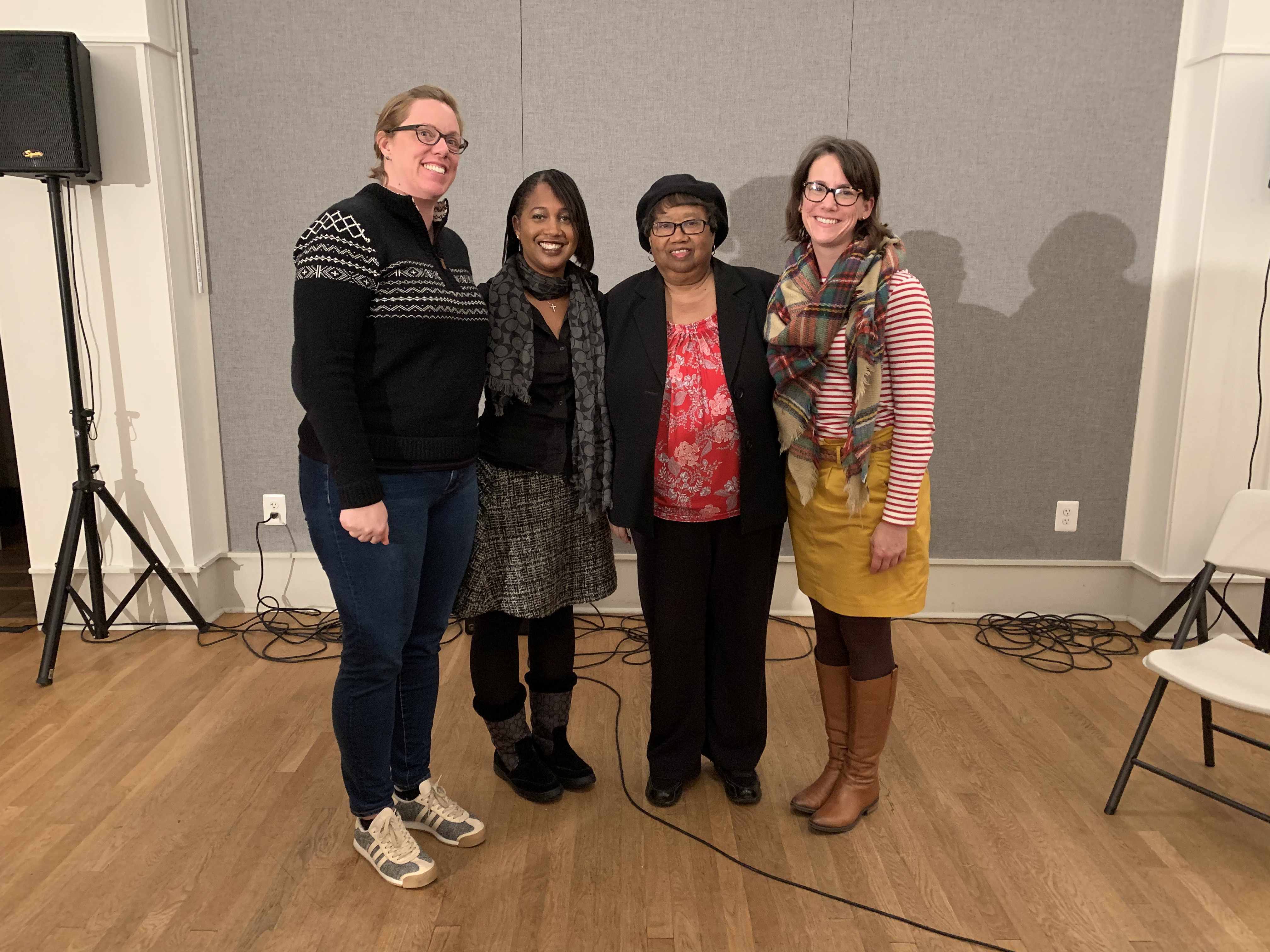
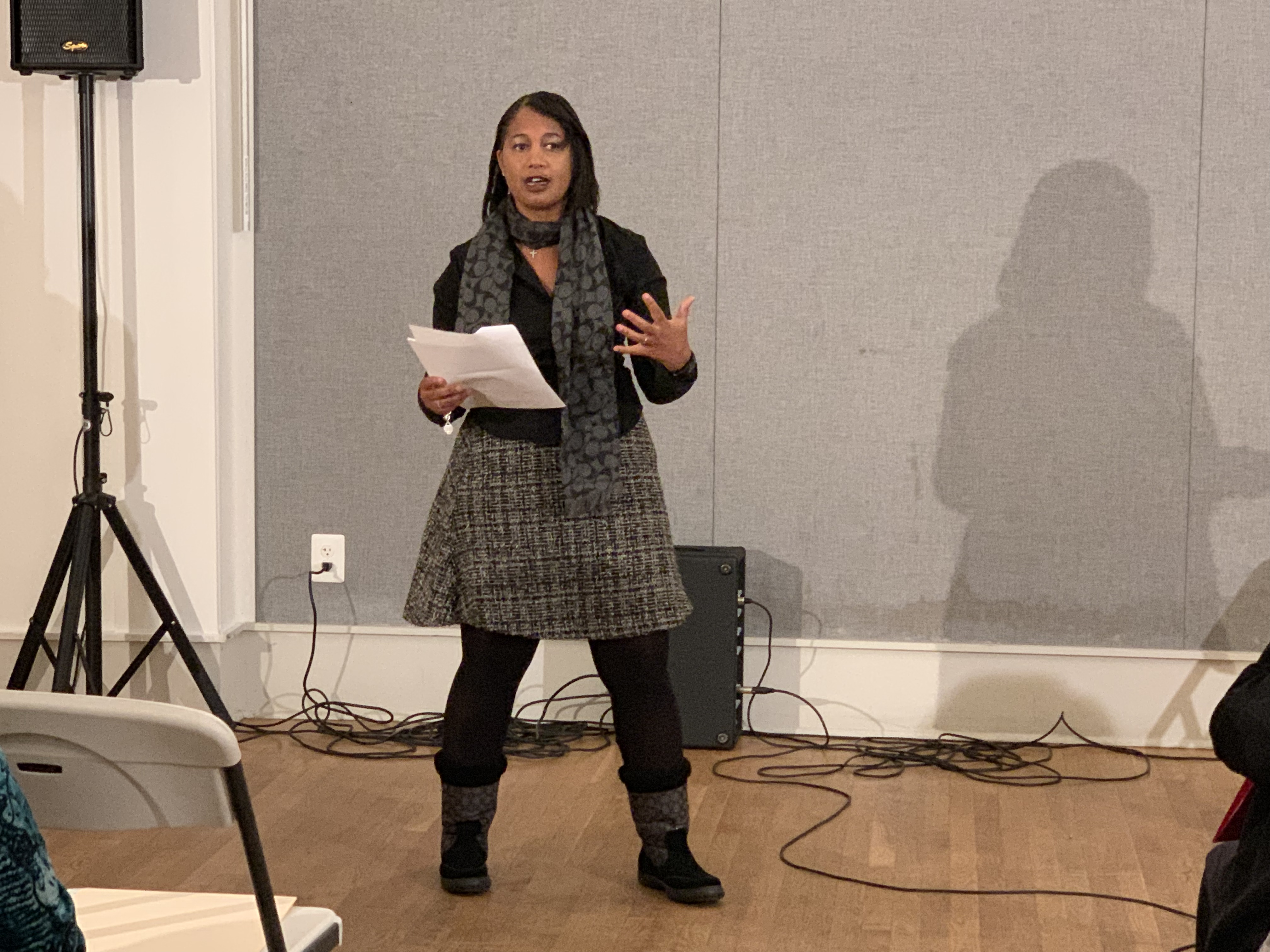
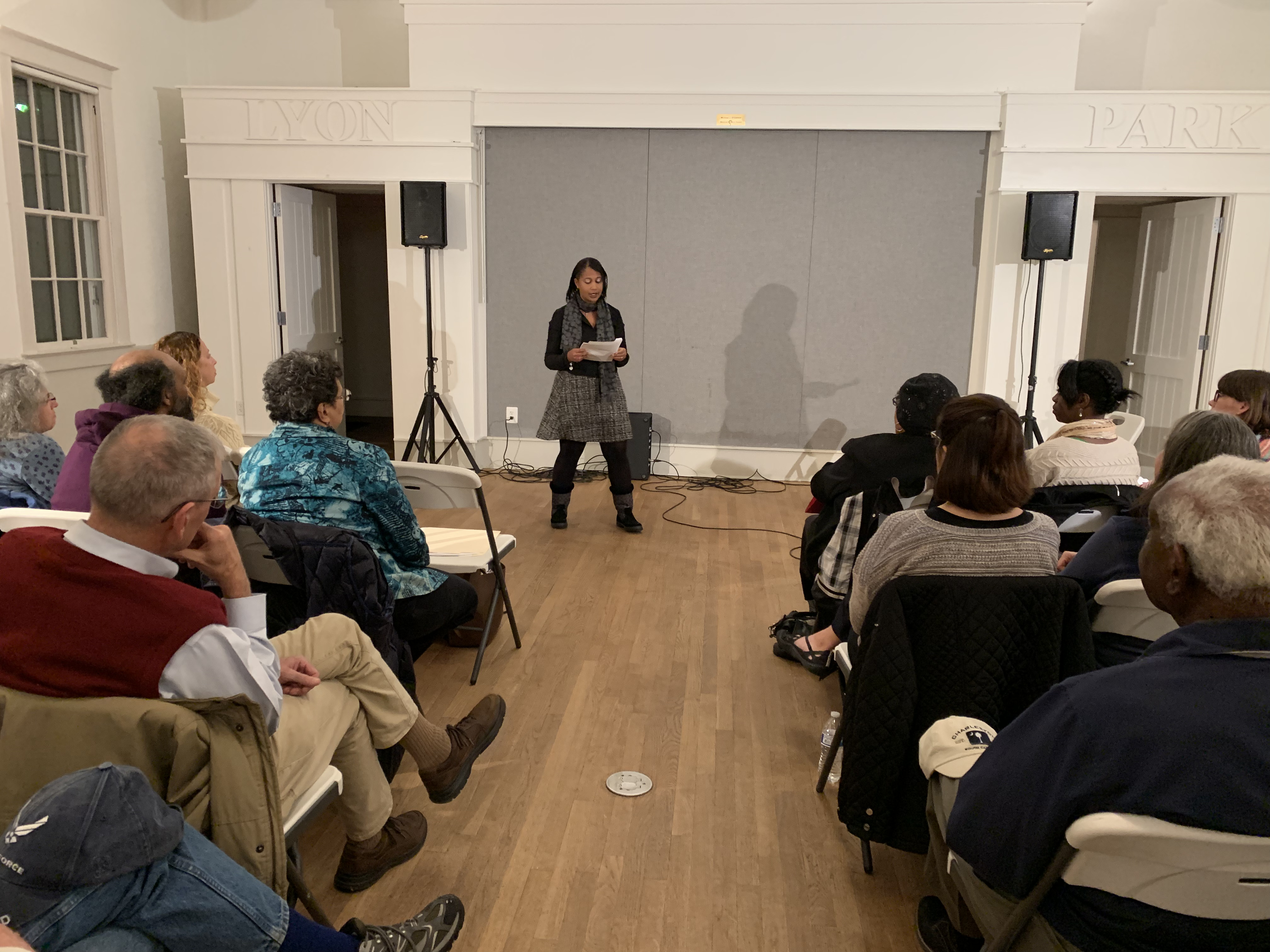
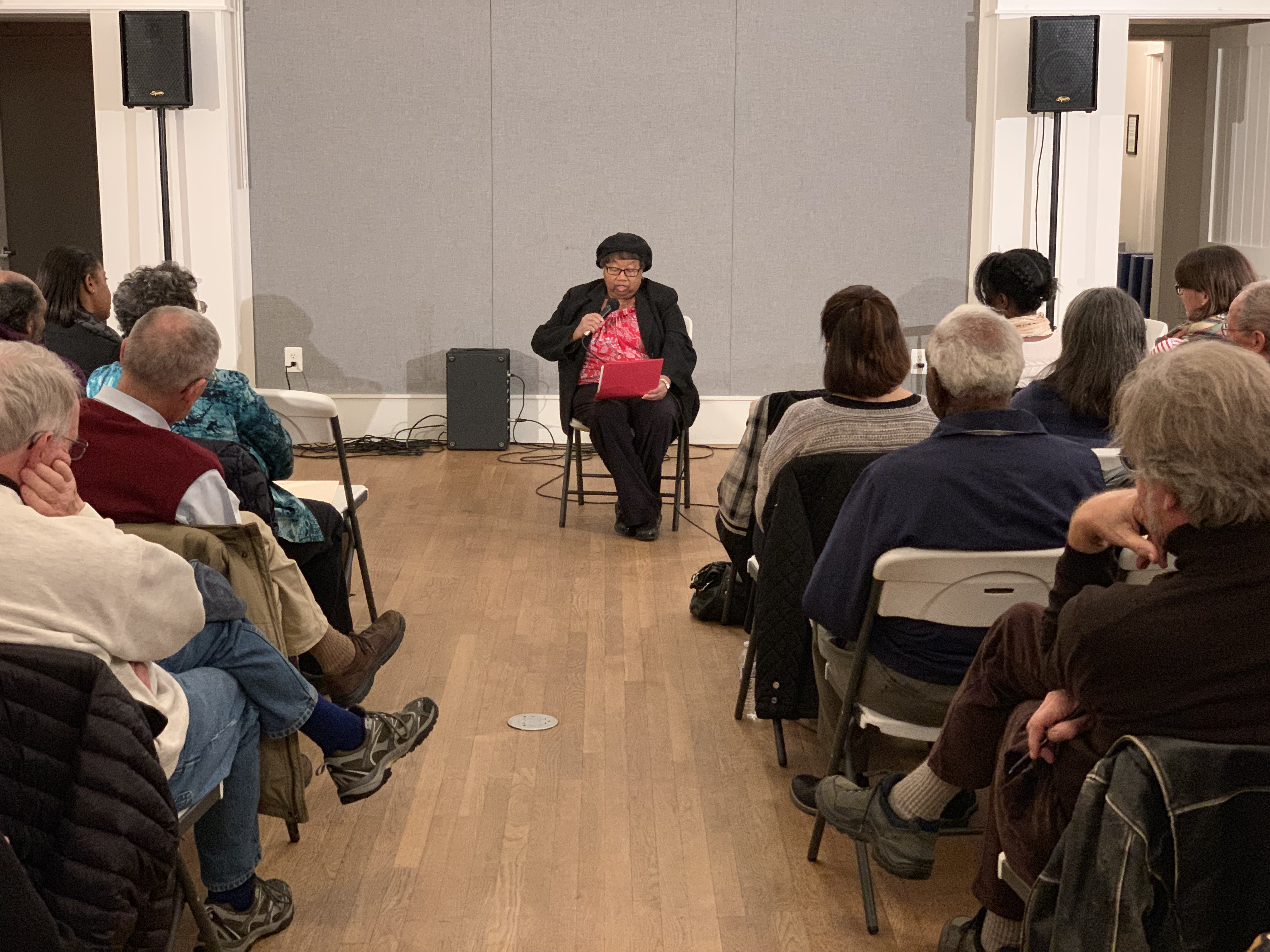
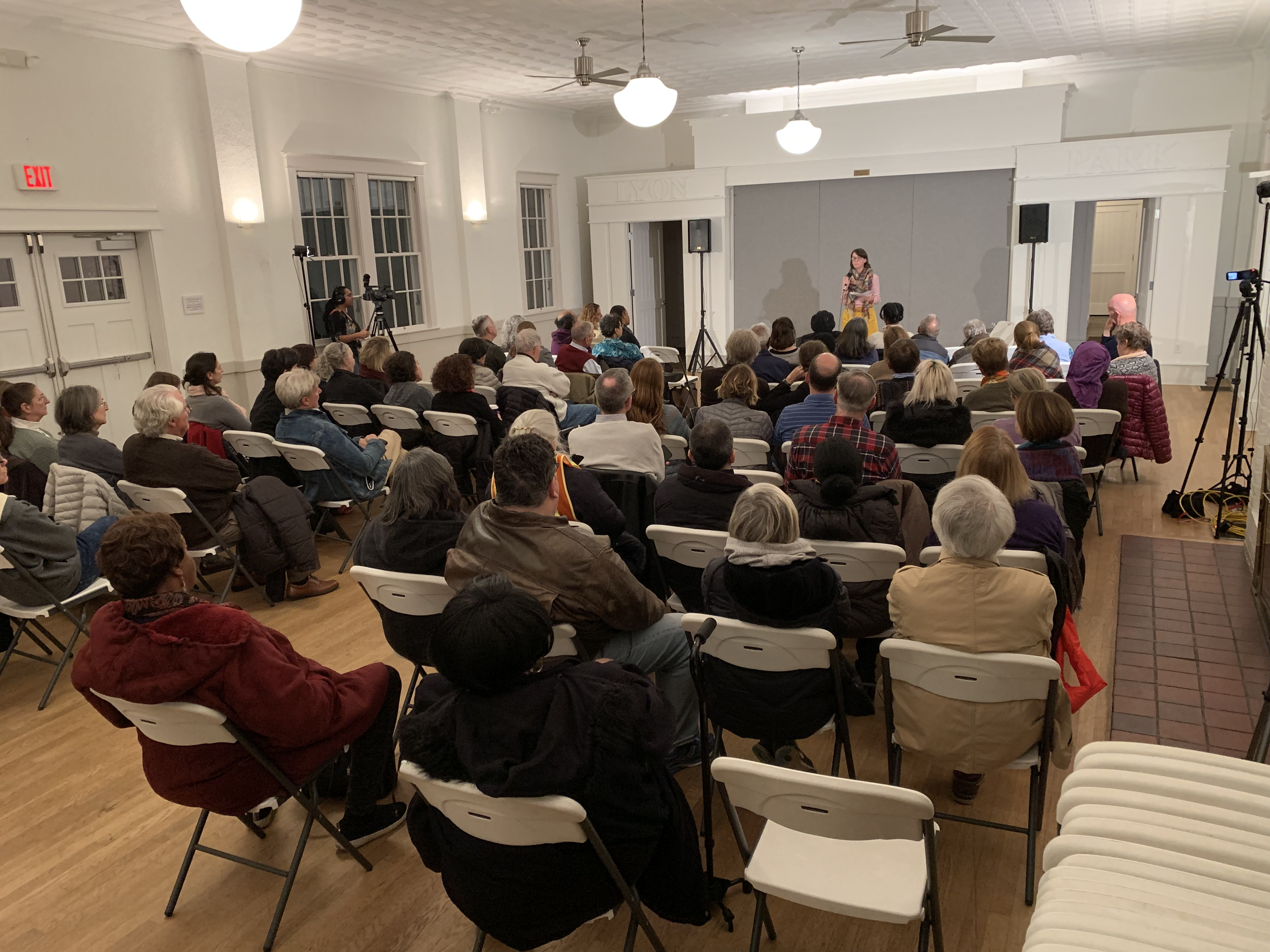
On November 13th our community came together for an evening of history and storytelling that explored the racial covenants that were part of many Lyon Park land deeds when the neighborhood was founded one hundred years ago. Although the language varied, many of the deeds in Lyon Park (as well as other neighborhoods in Arlington) contained covenants prohibiting sale to people who were “not Caucasian”. We heard from Dr. Lindsey Bestsbreurtje, a curatorial assistant at the National Museum of African American History and Culture and author of the dissertation, “Built by the people themselves- African American community development in Arlington, Virginia, from the Civil War through Civil Rights.” She provided context of the political climate in Arlington, who Frank Lyon was, and described African American communities in Arlington at the time of Lyon Park’s founding. Veronica Dabney shared the story of how racial covenants affected her community. She was raised in Green Valley at a time when her family and neighbors would have been barred from buying a home in many neighborhoods in Arlington. In 1969, the year after the Fair Housing Act of 1968 outlawed racial covenants, Veronica purchased a home just beyond the fence that separated Green Valley from the rest of Arlington. Finally, we heard from Dr. Bev-Freda Jackson, an Adjunct Professorial Lecturer at American University’s School of Public Affairs; Department of Justice, Law and Criminology. She provided information about how historic patterns of discrimination are highly correlated with contemporary aspects of discriminatory practices, affecting the way that we live today.
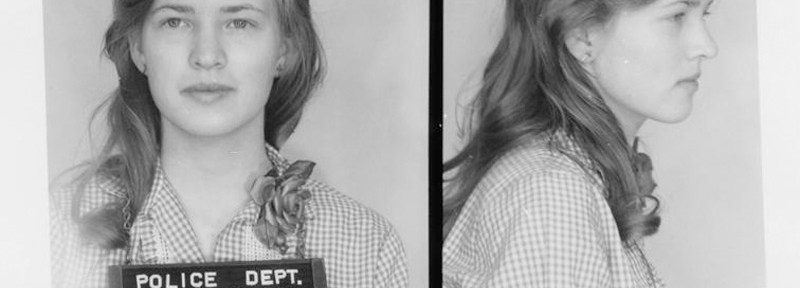
It took a visit to the Civil Rights Museum in Greensboro, NC to learn about a hometown hero. Joan Trumpauer Mulholland, a civil rights activist and a Freedom Rider, attended Nottingham Elementary and spent much of her adult life in the Barcraft neighborhood.
Joan Trumpauer’s mother was a segregationist from Georgia who sent Joan to Duke University, which, in 1960, was segregated and seeped in southern culture. But early on Joan rebelled against white supremacy. She joined the lunch counter sit-ins in 1961 (first started in 1960 in the Greensboro Woolworth by four Black men from North Carolina A&T University) and then dropped out of Duke after being pressured to stop her activism. She was the first white woman to enroll at Tougaloo College, a historically black college in Mississippi, graduating in 1964.
Joan returned to this area and worked with activists like Stokely Carmichael on the Freedom Rides, in which Black and white activists traveled together to challenge the segregated buses and bus stations of the South. She also participated in the 1965 Selma to Montgomery march.
To end segregation in Arlington, Joan joined Howard University students in trying to integrate the lunch counter of the Drug Fair drugstore in Cherrydale, at Peoples Drug at the corner of Lee Highway and Old Dominion Drive, and at a Woolworth’s in Shirlington.
Joan and her fellow protestors faced violent white mobs and incarceration for their peaceful efforts to end systemic racism. An iconic photograph shows enraged whites reacting to Joan and other protesters (including one of Joan’s professors from Tougaloo) while the protestors sat calmly at a lunch counter. According to one account, the protesters were “doused in food, cut with broken glass, hit with brass knuckles, and burned with cigarettes. The police stood by while men were kicked and punched, and women were yanked from the counter by their hair.”
In connection with the Freedom Riders, Joan and others were arrested and incarcerated for two months in cells previously occupied by Death Row inmates at the notorious Parchman Farm at the Mississippi State Penitentiary. In Arlington, she and fellow protestors were shot at by angry mobs and were counterpicketed by local Nazis wearing swastikas. She and her fellow protestors were hunted by the Ku Klux Klan and at one point, Joan was deemed mentally ill for trying to eliminate white supremacy. Joan eventually worked and raised five sons on Taylor Street in the Barcroft area. She has been the subject of many documentaries and articles, but perhaps this local hero deserves more recognition from the governments of Arlington County and the Commonwealth.






 lyonpark.org