By Jonathan Zuckerman, Mosquito Reduction Enthusiast
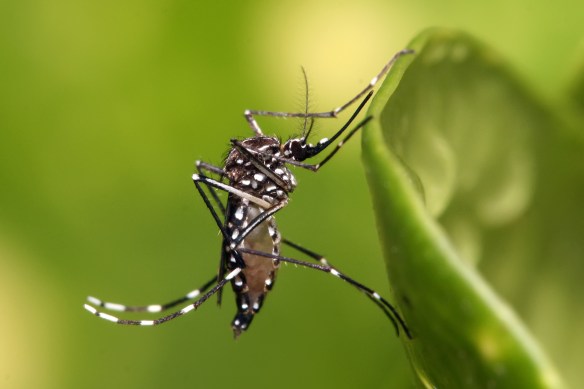
Once again as the temperatures start to rise we can begin to look forward to the resurgence of nature, but one thing nobody ever looks forward to is the scourge of mosquitoes. How can we enjoy the outdoors this year without the constant nuisance of bug bites? Many companies will try to sell you a pesticide spraying service, but spraying for mosquitos is ineffective and harmful to all living creatures.
The first neighborhood-level action we should take to reduce this nuisance without harming other wildlife is to regularly eliminate standing water in our yards so there’s no place for mosquitoes to breed. Some mosquitoes can breed in only a tablespoon of water. If we all walked our yards within 3-5 days of a rainfall to check for standing water, it would be sufficient to disrupt their lifecycle. Be sure to check places you might not regularly notice, such as rain gutters, drainage pipes/tubes, and dense ivy patches. I would also suggest that you offer to do the same for your less mobile or outdoorsy neighbors—some of our mosquitos range only about 600 feet but other species go as far as 2 miles. Just imagine: if every household within 2 miles of you spent 5 minutes after a rain shower to ensure there were no breeding spots for mosquitos, we might completely eliminate them from our own backyards. If you have a birdbath or other water feature, keep the water moving, refresh it every few days, or add chemical larvicide to the water.
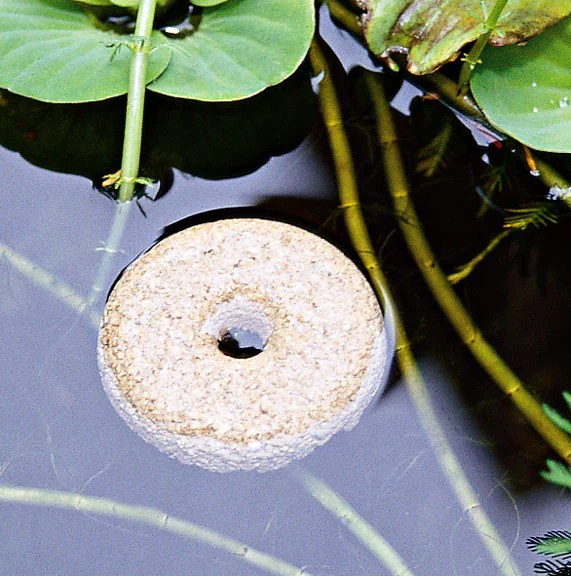
The next thing we can do is to set up mosquito traps in our yards—any mosquitos that do breed nearby can be lured to lay their eggs in a trap where a larvicide will ensure the larvae do not mature into more adult mosquitos. Making the traps takes about 5 minutes and you may already have the materials at hand: it requires only a bucket, some yard detritus, water, and a mosquito dunk. You can buy larvicide dunks for the traps at any hardware store but to get the best deal I make an annual bulk order and distribute them to participating neighbors in April.
By Deborah Sauri, co-owner of TriVistaUSA Design + Build
When walking around our neighborhood, you will notice something: our homes have great bones. With homes dating back to the early 20th century, there’s a sense of history here, visible in the charming details, our tree-lined streets, and porches that actually get used, all of which make Lyon Park so special. My husband and I know this well. We’ve lived here for over 20 years, raised our two kids (and dog) here, and in 2005 the humble beginnings of our home remodeling business started in the basement of one of these homes. It’s been an amazing place to build our lives, and that blend of history and community is reflected in the design trends we’re seeing as we head into 2026.
One noticeable shift is color. The era of all-white is finally giving way to warmer tones! Gold and green, in particular, is having a moment as well as another trend we’re having fun with is clients getting bold with wallpaper. For those of us who remember the ‘70s, wallpaper might bring back memories of avocado and mustard patterns. But the good news is: it’s back, but in a completely different (and much more beautiful) way. Today’s wallpapers are sophisticated, artistic, and often inspired by nature.
We’re also moving towards softer shapes and curves. I am loving that our clients are choosing to keep their beautiful arched doorways that were popular in the 1940s, and selecting earthy natural materials like wood, stone, and woven textures. That connection to nature is also showing up in larger windows and thoughtfully designed outdoor spaces that become true extensions of the home. Our homeowners are mindful of preserving mature trees and adding native landscaping that help keep our neighborhood cooler during hot summers, reduce air pollution, and support healthier living. Fun fact, we once designed an entire house around saving an old beautiful tree!
With focus on natural materials, technology might feel out of place, especially in Lyon Park built long before Wi-Fi was even a concept. But today we’re seeing smart home technology requested more. When planned early in a remodel, technology can be integrated with climate control, security systems and lighting to make homes more energy efficient, safer and responsive to our hectic lives.
And lastly, homeowners are thinking about the long view. We’re seeing a rise in helping clients design homes that allow them to age in place, stay in the community they love, and plan for the day their home may be passed down to their children. These trends reflect what many of us value about Lyon Park: homes with history, spaces that bring ease and joy, and a neighborhood where people truly care. Having raised our family here and worked alongside so many of you over the years, it’s a good reminder of why we’re so lucky to live here.
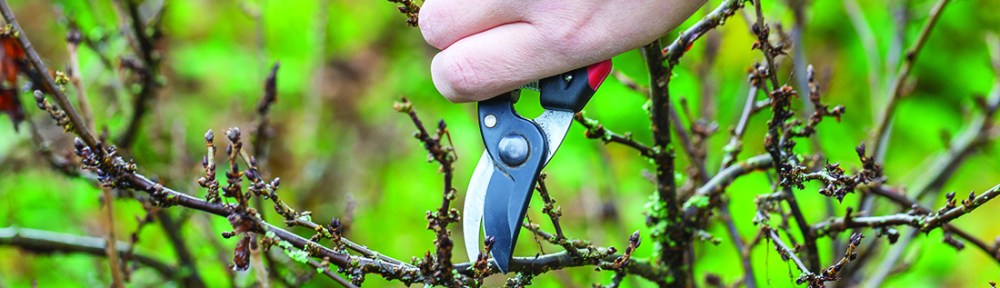
If you’re like me, you forget when to prune what. So here is a reminder that February/March is the right time for some plants and not others. The rule of thumb for shrubs and trees that flower in the Spring, before the end of June, is to prune them right after their blooms have finished. These include forsythia, azalea, Virginia sweetspire, quince and rhododendron. If you prune these in winter, you risk removing their flower buds for the Spring season.
Summer flowering plants bloom after the end of June. These shrubs and trees should be pruned in the Winter or early Spring before new growth starts. Our weather, which goes up to 50 degrees for a few days every month makes it harder to find plants’ “dormant” period, but generally you want to prune the following in February/March before it warms up in Spring:
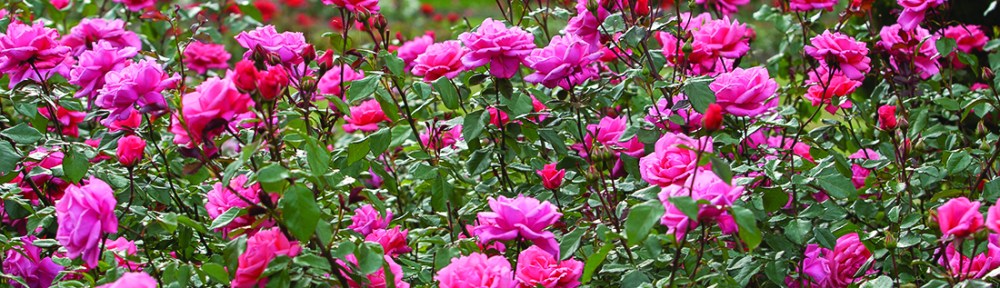
Hybrid tea and shrub roses should be pruned to 12”–18,” with cuts made just above a healthy bud at a slight angle. This encourages maximum growth and beautiful blooms.
Liriope that has turned brown can be cut back to encourage fresh growth.
Fig Trees can be pruned when dormant, if needed. I have to prune mine to keep it a reasonable size in my small yard and to keep the fruit within reach. Experts say remove branches that cross, space out the branches to allow light and air movement, remove suckers, and remember to cut back to a node or a branch (do not cut half way between nodes).
Similarly prune crape myrtles, if needed, to remove cross branches and allow space between branches to encourage 3–5 main trunks. Don’t commit “crape murder” by topping the tree!
It’s a cliché that a garden is never done, and there’s always more to learn.
Our garden began about 20 years ago as a water management project. The natural flow of water ran from the high point on the lot right through our basement on its way to a catch basin near the end of the driveway. To redirect the water flow around the house, contractors moved soil from against the house and created two berms along 1st. St. Suddenly we had a garden to plant before the weeds took over. To start, we added soil, compost and mulch to improve the clay-heavy soil. Given the southern exposure, we planted sun-loving and drought-tolerant plants, a few shrubs and a white lilac, plus hundreds of tulips and narcissus. Eventually we learned that the black walnut tree put a toxin into the soil that many plants can’t tolerate.
Twenty years later, the evolution of the garden continues. Redbuds can tolerate the juglone toxin, and now we have an aerial hedge that provides a green screen from the street. The back yard is no longer a heat island and a dozen types of birds visit the yard. Mature trees and shrubs shade some of the sun lovers, some plants are too tall for their spot and other plants need to be moved or divided. There are holes that can’t seem to grow anything. And as cute as the rabbits are…
The warm days will be here soon, and with them the reminder that there are chores to be done.
If you are a recent arrival to Lyon Park, you might be shocked to learn that our neighborhood is on the National Register of Historic Places! The district was developed by Frank Lyon between 1919 and 1951 and originally included a variety of architectural styles, including Craftsman, Colonial Revival, American Four Square, Tudor Revival, Spanish Mission, and Queen Anne.
Have you ever visited a historic town and dreamed of having a historic house plaque adorn your home, similar to those found in Williamsburg, Philadelphia, or Gettysburg? If so, the September LPCA meeting is the place to be, as we unveil our research into a historic plaque program. Join our discussion as we share our research on materials, costs, examples, and help us shape the guidelines for what the qualifications for inclusion for such a program would look like.
I’ve been gardening and learning for 25 years. At first, my focus was “plants I can get for cheap, plants I can eat, and flowers I can cut.” Now my focus is on native plants. First step: removing the so-called butterfly bush (Buddleia davidii). It attracted butterflies, but never hosted a single caterpillar. I replaced it with native plants that provide both nectar for adults and leaves for larvae. For gardens to be graced with butterflies and pollinators into the future, they must support insects’ entire life cycles, not just their eye-catching adult stage.
At this point in horticultural history, gardening with native plants is neither the norm, nor the cheapest approach. Natives may be hard or expensive to acquire. Still, I’ve found their benefits far outweigh their upfront costs.
Keeping invasives from spreading to natural areas. As a land manager for The Nature Conservancy, I know natural area managers work to fight invasive species in wild places. I started at home by removing aggressive landscaping stalwarts like nandina, Japanese barberry and liriope, whose seeds birds carry to natural areas.
Providing a wildlife haven. I love watching catbirds enjoy my elderberries, and skippers on my blue mistflowers. My garden provides shelter for birds, mammals and fascinating insects; nectar for pollinators; and foliage for caterpillars. Losses to chipmunks and rabbits are hardly noticeable. I cultivate an attitude of gratitude that my garden provides enough for everyone.
Avoiding chemicals that harm people, animals, and waterways. Native plants don’t need fertilizer or fancy soil. I live with some insect damage so there are no pesticides in my garden. There’s nothing scarier in my garage than loppers!
Saving money on fertilizers, pesticides, and mulch. Plants adapted to local conditions fill in the space, making mulch unnecessary. In fall, I leave the leaves and stems to enrich soil and provide overwintering spots for eggs and cocoons. In the spring the garden will once again burst with life.
Practical Tips for Using Native Plants
Start by controlling known invasives. Search “Virginia invasive plants” and start with those.
Befriend the bugs. We’ve inherited attitudes: “bugs=dirty, annoying, and disease-bearing, except butterflies and honeybees.” But beautiful butterflies started life as creepy caterpillars, which eat leaves—mostly natives they’ve co-evolved with for millennia. Insects, the foundation of Earth’s ecosystem, pollinate food crops and nourish songbirds. Most insects won’t harm us and cause only cosmetic damage. Birds need insects, and insects need native plants: learning to accept some chomps is part of the native game.
Uninvite the herbivores. In Lyon Park we’re lucky to lack deer, but we have bunnies, chipmunks and voles. I deploy chicken wire cages to protect plants while they’re getting established. Once there’s enough for everyone I remove the exclosures, and the party’s back on.
Choose the look you want. “Native plant garden” may evoke visions of an unkempt riot of green, but you can manage for a traditional look with non-traditional plants. Techniques to keep a garden organized include:
– The Chelsea Chop. Cut plants back by a third before blooming for shorter, bushier growth.
– Mass plants so one species covers at least four square feet, rather than intermingling.
– Place tall plants in the middle or back; shorter plants at the sidewalk.
Look into “lazy” gardening. Light or delayed fall cleanup is a choice–difficult if you’re a tidy person–but better for wildlife. Letting flowers go to seed attracts birds, who don’t actually need bird feeders. Leaving autumn leaves enriches soil and creates wintering sites for butterflies like the mourning cloak. Letting stems stand until spring retains nesting sites for native bees.
We were raised to believe that “good” gardeners rule their gardens by raking, trimming and mulching promptly in the fall. It turns out that nature prefers some messiness. As you balance neighbors’ expectations with habitat value at your unique site, know that there’s a nationwide community of wildlife-friendly gardeners who support you as you move your garden toward richness.
Decide how native to go. The strictest form of native gardening sticks to species native to the county. Next on the spectrum is plants native to the state and/or Piedmont ecoregion. Another consideration is “nativars”–cultivated varieties of natives selected for qualities benefiting human eyes over animal lives. Examples: double-flowered cultivars (which make nectar hard for pollinators to reach); sterile varieties (which don’t provide seeds for birds); and purple foliage (which discourages caterpillars).
I haven’t given up my peonies, rosemary or fig tree–choices I’ve made as I balance my human desires with the needs of local wildlife. Deciding where your garden lies along the native/exotic spectrum is your choice, and your approach may evolve as you grow. Overwhelmed beginners can feel confident that every native replacing a non-native improves a garden’s value for wildlife large and small.
These native plants and many more will be available at the Dig-Your-Own sale on April 20:
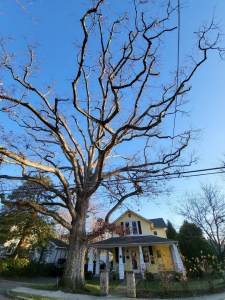
The sudden storm that walloped Arlington in late July will not soon be forgotten. Violent downbursts felled some of our most magnificent trees, many of which were oaks that came up by the root ball. This may leave some people wary of trees, but the benefits of large, healthy trees far outweigh the risks. Trees mitigate flooding, hold onto soil to reduce erosion, lower our utility bills, improve air quality—and of course are aesthetically pleasing. With the right trees properly planted and cared for, we can enjoy them more and worry about them less.
Our Extension Agent, Kirsten Ann Conrad, provided expert advice on increasing trees’ resiliency to storms. Trees should be under the regular care of a certified arborist, who will look for weak or damaged limbs and ensure proper, regular pruning. You should avoid construction and other soil-compacting actions near the roots and keep mowers and trimmers away from the tree.
Trees with deep, wide spreading root systems are less likely to blow over, so don’t plant a shade tree in an area confined by structures or pavement. In smaller areas, plant smaller native trees such as fringe tree, dogwood, American holly, and redbud. Trees planted in groups, rather than as single specimens, are more likely to weather high winds. Consider planting new trees in a grove, with several different types of trees grouped together. If you have existing single trees, plant additional trees and shrubs close by and mulch the entire area to create a landscape bed.
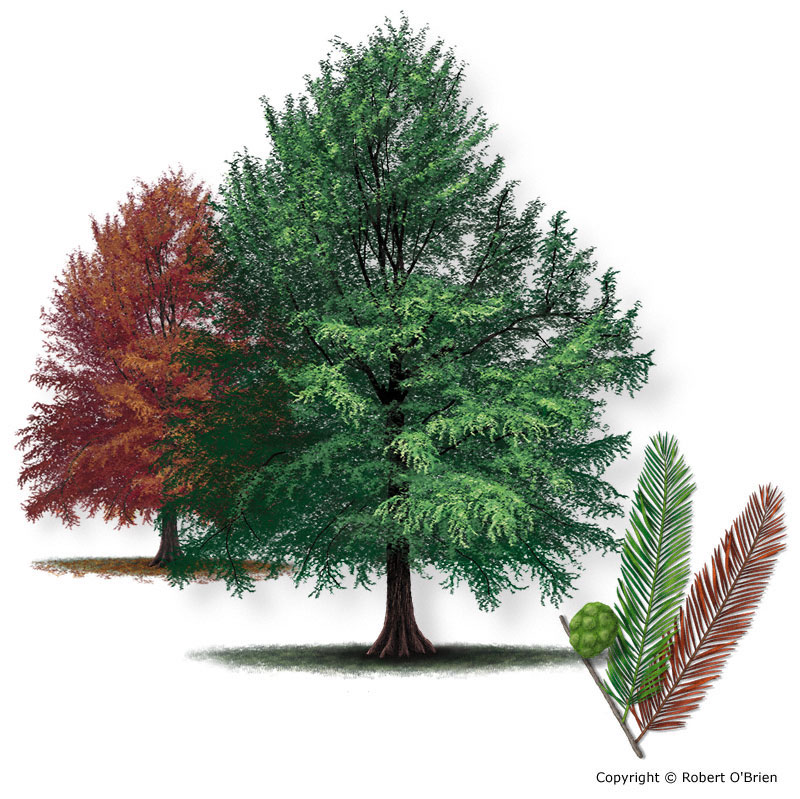
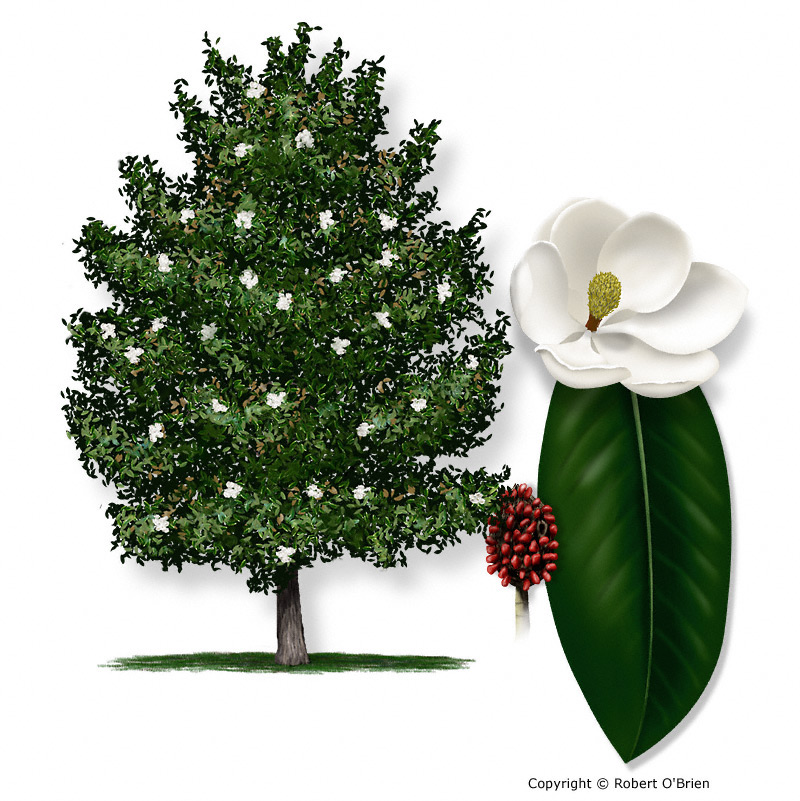
Some shade tree species are better able to withstand strong winds than others. Trees that are best at surviving hurricanes in southern states include southern magnolia and bald cypress. Other large maturing trees that prove moderately to highly wind-resistant are hickory, persimmon, shumard oak, river birch, and black gum, also known as tupelo. All these species thrive here, but consult Lyon Park tree stewards for the best trees for your yard.
I love all these trees but if I had room for one more, I would plant an oak because oaks support more life-forms than any other North American tree genus and we desperately need to save native habitat in our neighborhood.
After 18 months of delays, supply chain disruptions, and ostensible labor supply shortages, we’re back home. The paintings and pictures have been hung, salvageable furniture has been restored, and most crucial lost items replaced. Yes, we’re back in our home that was saved by the Arlington County Fire Department (ACFD), for which we are eternally grateful.
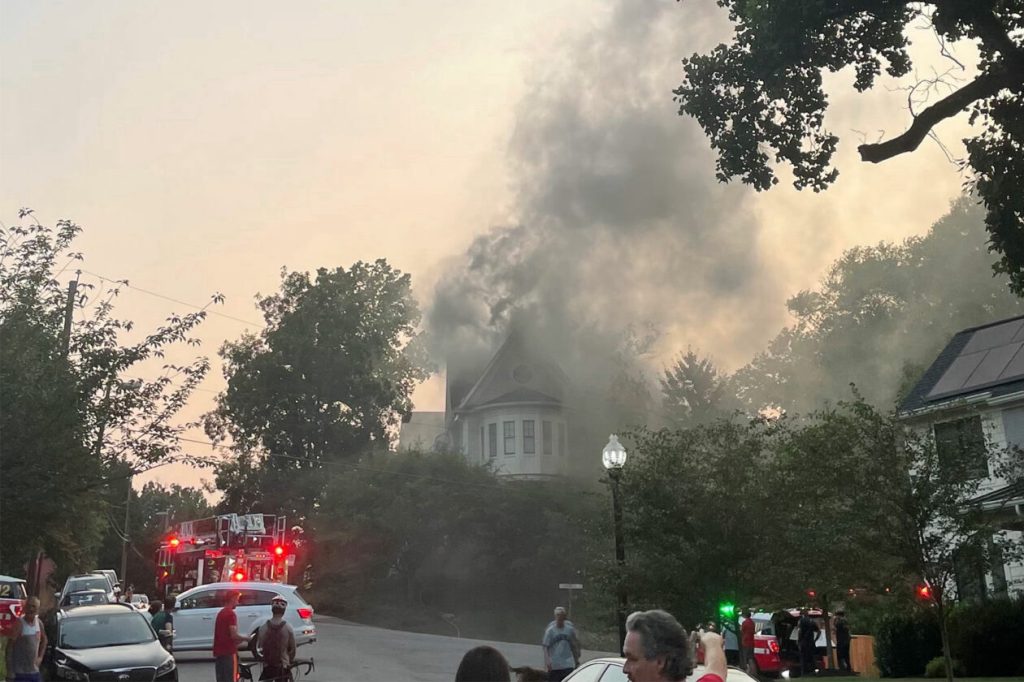
On July 6, 2021, our home in Lyon Park caught fire. The first sign of fire was at 8:02 p.m., right below the back door stoop, in the hardwood mulch. By 8:10, flames had reached the soffit. We frantically grabbed wallet, purse, and car keys, and ran shoeless to the garage to move our cars to the street. We could already hear the sirens, thanks to neighbors Ron and Kate’s instinctive 911 calls. By 8:15, ACFD was onsite to fight the flames and contain the conflagration. Because of the extreme, dry heat that day, a light but steady breeze, and the proximity of residences in the neighborhood, contingency planning warranted a large response. And boy did the ACFD come prepared! There were 5–6 engines and around 70 personnel engaged in the effort, including a “command” vehicle from which an officer coordinated the battle and monitored progress with walkie-talkie and a large whiteboard. In addition, well over a dozen vehicles were stationed on N. Fillmore Street, ready to swing into action in the worst of circumstances should the flames spread to adjacent homes.
Several dozen curious and compassionate neighbors gathered to witness the event. Their sympathy was not only for our prospective plight of losing our home, but also for the brave firefighters struggling to contain a potentially explosive situation. Many neighbors sprang right into action, some distributing water, and others even burgers, to the firefighters. The combination of very dense smoke under the eaves and in the top floor loft, the high and rising inside temperature, and the flow of oxygen posed a serious risk of spontaneous combustion, and therefore a possibility of injury (or worse) to the firefighters in the house. Luckily, there were only 2 minor injuries among the firefighters: dislocated shoulders, I think. Our triangular 4–level house, situated on a knoll at the corner of two descending streets, posed special challenges to the firemen. Fortunately, the well-equipped department was able to reach the roof and pierce a hole to enable them to flood the house. By 12:30 a.m., the final spark and other threats had been eliminated, and the house was “secured,” pending the start of urgent remediation services 7–8 hours later.
We were amazed not only by ACFD’s mastery of firefighting, but also its sensitivity to our own worries and emotional state. It’s hard to describe the emotions and thoughts that overwhelm you watching your home going up in flames. At one point early in the battle, one of the firemen asked if there was anything important that we needed urgently from the house. Yes! A cell phone had been left behind. Despite the risks, he immediately entered the home to search for the phone. Although he was unable to find it, he did not emerge empty-handed; he returned with our laptop computer, a pair of reading glasses, and a pill box. To boot, the Fire Marshall dropped by the next day to confirm everything was ok.
How did the fire start? We may never know for sure; the department’s assessment is neither made public nor released to us. There was hardwood mulch under the stoop, and it can apparently combust spontaneously. I wish I could say I hadn’t charcoal grilled that day, but I had. By 1:45 p.m., my brief cookout was finished, and I closed the grill. At 5 p.m. or so, the grill totally cold to the touch, I moved it a few feet away for storage. A bit more than six hours after grilling, the glow of flames appeared under the stoop, as captured by our security camera.
Some forms of education are costly, not only in dollar terms; this fire was instructional. Beds of hardwood mulch abutting one’s home should be avoided, or at a minimum warrant extra precaution. Having a security camera, even an inexpensive one, can be a very helpful forensic device. Flame-retardant siding is evidently well worth the extra expense. Of course, having adequate insurance is essential.
We remain in awe of ACFD’s response. We should all be grateful for their bravery and expertise. We are also extremely grateful to live among such wonderful Lyon Parkers. And we are of course thankful to neighbor Deb for letting us crash in her home at nearly 3 o’clock in the morning once all the activity on the street had quieted.
In November, I coordinated with Arlington County to plant 130 native Virginian trees along the medians lining Route 50 (Arlington Boulevard) at N. Fillmore Street. The county is keen on restoring our tree canopy, which has been declining at an alarming rate due to new construction. Because trees not only offer cooling shade but help lessen the effects of flooding, our stormwater taxes funded these trees.
The effect of the new trees on the landscape is astonishing. They give texture and depth to the bare road and grass. For those who live along Route 50, they will screen homes from traffic and lessen pollution and noise. The trees were planted in groves with a mixture of both large and small sizes. This was intended to create a natural forest look rather than a colonnade. The variety of trees, which include oak, bald cypress, American holly, Eastern redcedar, Eastern redbud, American beech, and the showy white fringe tree, present a welcome sight to passersby.
We know from long-time residents that Route 50 has been treeless since at least the 1930s, when it was still a dirt road. It’s exciting that trees grace this strip of land again for the first time in possibly a hundred years or more. Given the county’s eagerness to increase the tree canopy, the county welcomes suggestions from Arlington residents for the planting of trees in areas that can accommodate them.
You too can get more trees planted! Here is the link on the county website to put in a request: Tree Planting Program
Arlington County is losing overhead tree canopy primarily due to new home development and environmental causes. Lyon Park is one area of Arlington recently experiencing the largest decline in tree canopy coverage. When a large canopy tree is removed, it takes more than twenty years for newly planted trees to replace the lost tree’s oxygen production and rainwater control benefits. Removing a mature tree is a personal decision by a landowner, but the owner and neighbors can help remediate the loss of tree coverage by planting more trees near the fallen predecessor and in appropriate spaces within their own yards.
Arlington County encourages tree planting in its citizen’s yards by offering two programs providing free trees: The Tree Canopy Fund and October’s Tree Distribution event. The Tree Canopy Fund Program is a developer-funded and volunteer-administered program that plants nursery-grade, native shade trees on private property. Applications are received twice a year, January 6, for Spring planting and June for Fall planting. To be eligible to receive a free canopy tree, (a $350-$450 value), a property owner must represent that the intended location is suitable for the planting of a large tree and promise to care for the newly planted tree (i.e., water weekly during its first year). Each request will be carefully evaluated by a grant review panel based upon site suitability and the species of tree requested.
Applications must be submitted by Friday January 6, 2023. Panel results will be announced in early Spring and the trees will be planted by contracted professionals several weeks later. At the time of planting, trees are typically 2” in diameter, approximately 8-10’ tall and are expected to grow to heights ranging from 20-100’ at maturity (depending upon tree species). The following species are available in the current cycle:
Large Shade Trees:
American Beech, American Sycamore, Red Oak, Scarlet Oak, Swamp White Oak, Sweetgum, White Oak, and Willow Oak
Medium Shade Trees:
Bald Cypress, Black Gum, and Wild Black Cherry
The Program, in its 14th year, awards hundreds of trees annually. The review panel usually approves tree applications for open and sunny areas (particularly on the south or westerly property quadrants). Special consideration is given to locations where a previous canopy tree once stood. I will again serve as the Lyon Park Civic Association coordinator to help consult on tree species, location within your yard, prepare and submit your application. Contact me by e-mail (BillAnhut@yahoo.com) or phone (301-908-8204) and notify me of your interest. Together, we will schedule a time for me to visit your home (between December 26 and January 5), to evaluate the planting location and agree upon a tree species to request. I will submit your application with other Lyon Park neighbors. Most applications I submit are approved. Won’t you help replenish Lyon Park’s tree canopy by contacting me today?









 lyonpark.org