
By Adam Rasmussen
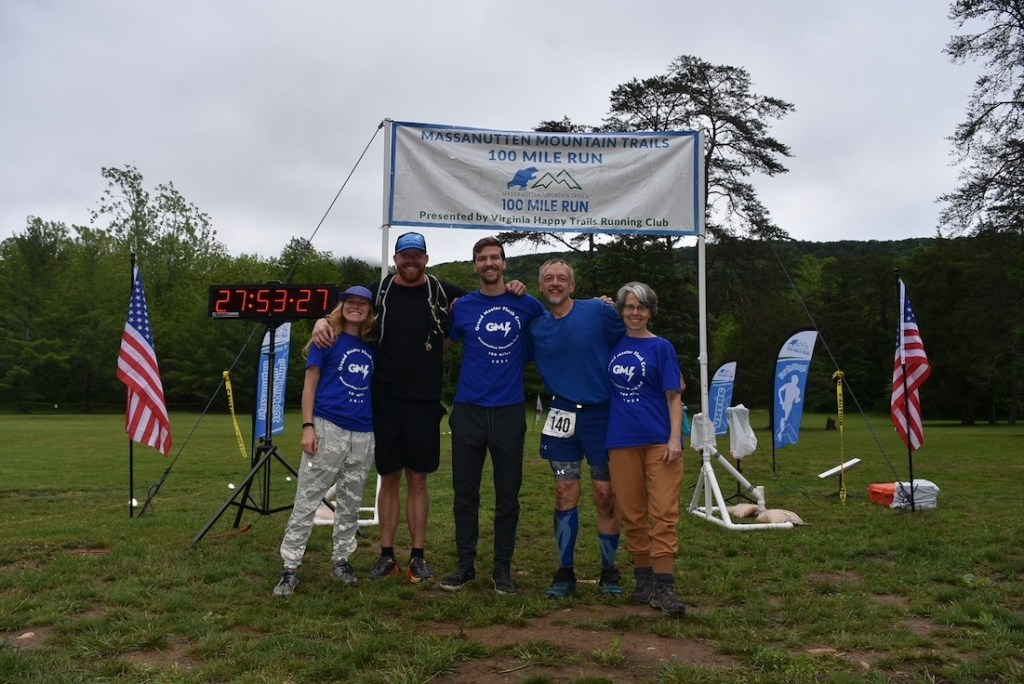
In May, I completed my first 100-mile trail running race, the Massanutten Mountain Trails (MMT). While it is one of my greatest personal achievements, it is also an accomplishment for the community that welcomed, encouraged, and prepared me for this race. Ultramarathoning is a highly competitive sport with athletes breaking records all the time. And like many other competitive sports, corporate sponsorship has influenced the culture surrounding the elite races. Despite this, the sport remains highly accessible and encouraging for newcomers of all ages and paces at the local level.
I’ve been a trail runner for 10 years, but never ran more than a half marathon until I decided to take the plunge into ultramarathoning last year. An ultramarathon is a run that is longer than 26.2 miles. The most common race distances in the US are 50K, 50 miles, 100K, and 100 miles.
Most runners, including myself, begin with a 50K (31 miles). That may seem daunting to most of you reading these words. I wasn’t sure I could do it either. One of the many things I learned at my first ultra last year was that I should be confident that my fellow participants and the volunteers staffing the aid stations would have my back. When I developed severe cramps in both calves due to low electrolytes, I lost track of how many runners passing me offered to pick me up, supply salt capsules, and words of encouragement. Friendly volunteers at the aid station filled my water bottles and asked me what I needed to continue, and I finished the race.
I no longer need the help of the ultramarathon community to simply survive a race. Still, I depend on them for advice on the best places and races to run, and for inspiration to push myself beyond what I thought was possible.

That takes me back to MMT. I completed the 100 miles because I trained the last 4 months and because I had a crew and pacers from the community who knew what I needed to cross the finish line. This happened despite serious physical and mental challenges. While I didn’t know it at the time, I broke my big toe 20 miles into the race. What I did know, around mile 80 (~1 a.m.), was that my left calf was in excruciating pain as I faced one of the steepest climbs of the course. When I reached the top of the ridge I couldn’t run. It took me almost two hours to hobble 3.5 miles—by far my low point in the race.
My pacer was having none of my talk about quitting at the next aid station. She and the rest of my crew committed their weekend to ensure that I finished this race, and I wasn’t about to let them down. Fortunately, the ibuprofen I had taken finally kicked in and I was able to pull it together mentally to finish the race. I have no doubt that the ultramarathon community running the aid stations, staffing my crew, and providing pre-race strategies were responsible for me finishing this race and the 10 other ultramarathons I’ve run in the last 14 months.
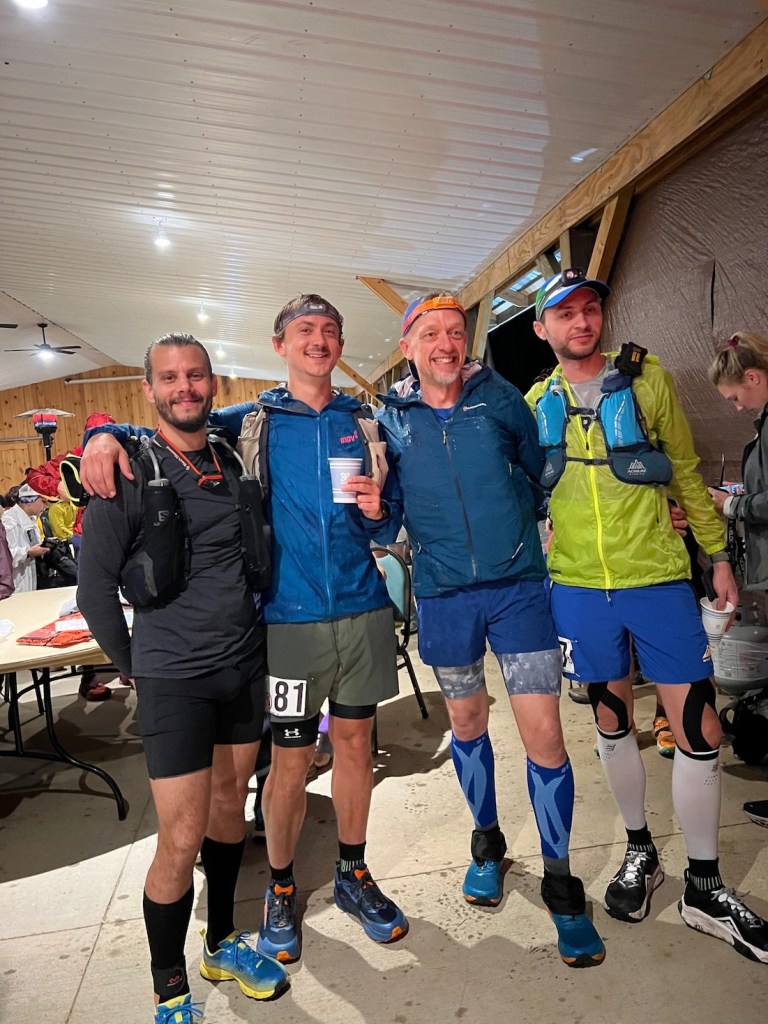
Even if ultramarathons are a trail too far for you, there are many opportunities to enjoy recreational and competitive trail running in the DC region. I would start with Virginia Happy Trails Running Club (https://new.vhtrc.org/). They offer weekly recreational runs for the slow and the fast and free ultramarathon distance events and competitive races throughout the year. I started with Sundays in the Park, which offers a different experience each week of 7–10 miles in Rock Creek Park and the Potomac Heritage Trail, sometimes meeting right here in Arlington at Roosevelt Island. I also recommend volunteering to staff an aid station at a VHTRC event so that you can experience what it’s like to participate before committing to the training.
 lyonpark.org