Update from Arlington County on the Stormwater Utility and Repeal of the Sanitary District Tax

By Arlington County

At the December County Board meeting, the Board adopted an ordinance to establish a Stormwater Utility, adopted a resolution regarding Stormwater fee relief, and set the Stormwater Utility Equivalent Residential Unit annual rate. The Board’s action also repeals the current Sanitary District Tax, effective December 31, 2023.  

The County’s Stormwater Management Fund is currently supported by the Sanitary District Tax, which generates funding based on property assessments. The tax is currently set at $0.017 per one hundred dollars of assessed valuation of all taxable real estate. This ordinance proposes replacing the Sanitary District Tax formula with a $258 per Equivalent Residential Unit (ERU) Rate. An ERU in Arlington County is calculated to be 2,400 square feet of impervious area. The rationale for using the amount of impervious area on each property, rather than all taxable real estate, is that it directly correlates with stormwater runoff that contributes to the County’s stormwater system. Basing the rate structure on the amount of impervious area provides a nexus between the fee charged to each property and the amount of services provided by the County. 

The approved Stormwater fee relief program will provide 100 percent fee relief for senior and disabled residential property owners, and disabled veterans and surviving spouses, that currently qualify for real estate tax exemptions and deferrals.
 

Neighbors Making a Difference: Tabitha Ricketts

By Kathleen McSweeney

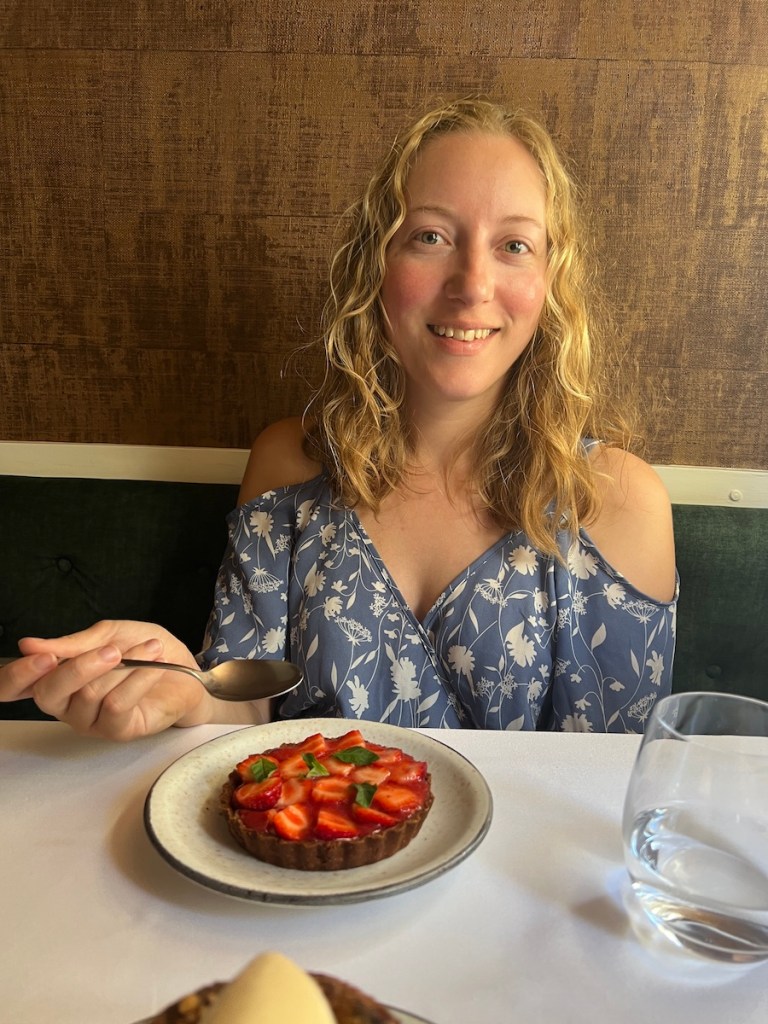
San Diego native Tabitha Ricketts moved around a lot growing up, which for a child of a Navy dad wasn’t unusual. After graduating from Notre Dame, she took a job as a tech consultant which gave her a list of cities to choose from. With a preference for living on the East Coast, she selected the Washington, D.C. area as her new home. 

She rented in Rosslyn and Courthouse for the first few years. Her younger sister moved to the area when she became a Federal employee and rented a house in Lyon Park. During one of Tabitha’s first visits to Lyon Park, she met Paul Showalter, who invited her to a Danville Street block party. Drawn by the sense of community in Lyon Park and wanting to be nearer her sister, she began renting in Bedford Park. She attended a Woman’s Club lunch and volunteered to help. “I figured I can bake cupcakes—it wasn’t a scary commitment.” She heard that assistance was needed for the Halloween bonfire and has coordinated it for the past two years. Next, when she learned there were openings on the LPCA Board, she volunteered and was elected to represent our community on the Arlington Neighborhood Advisory Committee (ArNAC) and as a representative to the Board of Governors. In 2023, she saw a listserv post from a departing neighbor and is now a Lyon Park homeowner.

Tabitha has enjoyed playing a role in continuing our treasured community traditions. Lyon Park is a perfect blend of big city amenities (for instance, she appreciates the availability of good take-out food options) with a small-town feel. She spoke a bit about her work on the ArNAC, and in the two years she has served has seen a shuffling in County staff working with the committee. She observed that new staff brings new leadership, varied experiences, and fresh perspectives—all positive changes in Tabitha’s view. The ArNAC representatives have been discussing a more equitable point system and prioritization process for project approvals. They look forward to reviewing more art and beautification projects for neighborhoods, along with the more traditional streetlight, signage, and sidewalk fixes which have been staples of neighborhood conservation projects. In this month’s article about the LPCA Neighborhood Tabitha invites neighbors to contact her about priorities and ideas for projects. Although Tabitha has not lived here long, she has emerged as a generous volunteer and leader in our community. 

A Change to Arlington County’s Comprehensive Plan

By Kathleen McSweeney

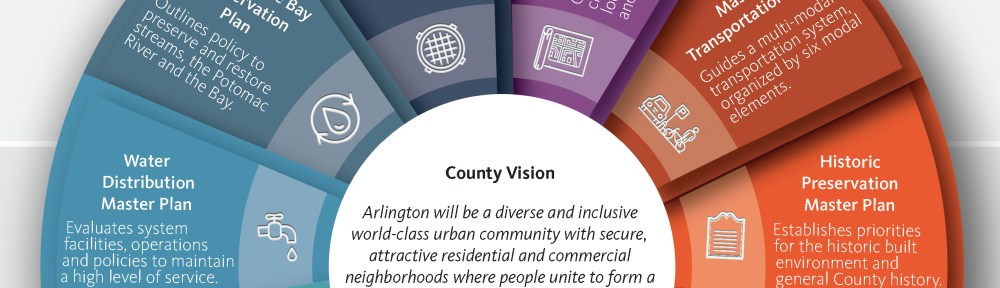
Did you know that every jurisdiction is required to have a comprehensive plan to guide its current and long-range development? According to Article 3, Section 15.2-2223 of the Virginia code, the Planning Commission in each jurisdiction has the duty to prepare and recommend the comprehensive plan elements, and the governing body—in our case, the Arlington County Board—has the responsibility of adopting the plan for the County. Sections of the code define the required plan elements and outline guidelines for a Transportation Plan that designates a system of transportation infrastructure, and “…shall include, as appropriate, but not be limited to, roadways, bicycle accommodations, pedestrian accommodations, railways, bridges, waterways, airports, ports, freight corridors, and public transportation facilities.” (Source: Code of Virginia, Section 15.2-2223.B.1.) The code also mandates specific elements be included, such as a zoning ordinance, public and private development (including commercial, general residential, and affordable housing development), community services and facilities, historic areas, groundwater and sewer treatment, and consider strategies to address social well-being, health, the economy, and the environment. 

Comprehensive Plan elements are publicly reviewed and updated at least every five years. Prior to December 2023, Arlington’s Comprehensive Plan contained eleven elements: the General Land Use Plan (GLUP), Master Transportation Plan, Historic Preservation Master Plan, Affordable Housing Master Plan, Sanitary Sewer Master Plan, Recycling Program Master Plan, Community Energy Plan, Public Spaces Master Plan (which included three sub-plans: the Urban Forest, Public Arts, and Natural Resources Master Plans), Water Distribution Master Plan, Chesapeake Bay Preservation Master Plan, and the Stormwater Master Plan. Each plan element has a network of commissions and interested citizen advocates that contribute to updates and revisions during the plans’ scheduled public update cycle. 

At the December 2023 Board meeting, the Forestry and Natural Resource Plan (FNRP) became the 12th element of the County’s Comprehensive Plan. This was the result of a three-year process. In 2020, a joint citizen advisory group was formed (with representatives from the Energy commissions) to review and update the Urban Forestry and Natural Resources plan elements. The Advisory Group recommended that the two plans be combined into a single Forestry and Natural Resource Plan (FNRP), the Planning Commission endorsed it, and approval of the FNRP was added to the County Board’s December meeting agenda. Upon approval, the Board commented that “The FNRP is intended to be a holistic long-term planning tool that outlines over 80 policy recommendations organized into four interconnected Strategic Directions: Conservation; Climate Mitigation, Adaption, and Resilience; Biodiversity; and Operations.”

Lyon Park’s Neighborhood Conservation Plan

By Tabitha Ricketts, Lyon Park’s Arlington Neighborhood Advisory Committee Representative

In 2019, a group of dedicated Lyon Park Citizens Association members compiled a 210-page document covering our neighborhood’s history, goals for the future, and areas of both interest and concern directly impacting our residents. This document is the 2019 Lyon Park Neighborhood Conservation Plan.

What is a Neighborhood Conservation Plan? It’s both a snapshot in time and a roadmap for the future, refreshed every 10 years by and for neighborhoods—like Lyon Park—that are members of the Arlington Neighborhood Program (formerly the Neighborhood Conservation Program). These Neighborhood Plans provide the framework for improvement projects neighborhood representatives submit for approval from the Arlington Neighborhood Advisory Committee (ArNAC). Once approved, these projects are put forward to the Arlington County Board for funding. The plan drives the projects, and the projects receive County funding to achieve the neighborhood’s goals—like increasing pedestrian safety measures, improving a County park, or planting more trees.

Lyon Park’s 2019 Neighborhood Plan covers 9 areas of interest to Lyon Park residents, as reported in a 2016 resident survey: Land Use and Zoning, Street Conditions, Transportation and Traffic Management, Housing, Public Facilities and Services, Commercial and Business Areas, Historic Preservation, Urban Forestry, and Schools. These areas roll up to 3 neighborhood goals:

  1. Adapting to growth and change.
  1. Dealing with the challenges that come with density.
  1. Getting Arlington County support for neighborhood initiatives such as traffic management and commercial development.

For a more in-depth breakdown of each of these topics, check out the slide deck I shared on the Lyon Park listserv. For full details, check out the plan itself, available on the Arlington Neighborhood Program website.

There are a number of aspirations laid out in Lyon Park’s plan—for improved drainage, holistic traffic planning, increased street lighting—that would make perfect projects for the County to execute on our behalf. But to get from plan to action we must: 1) break down ideas into tangible projects, with a target, a location, and a design; and 2) gather neighborhood support to send our top priorities for ArNAC review and Board funding. 

Based purely on our Neighborhood Plan, a few things stand out to me as priorities already. But I’m just a representative of the neighborhood—your neighborhood. A lot has changed since the Plan was created in 2019, and certainly since the 2016 survey data. So, what matters to you? What projects would you like to improve which enhance our neighborhood today? Reach out to let me know, and let’s get started!

Children’s Holiday Party 2023

By Paul Showalter

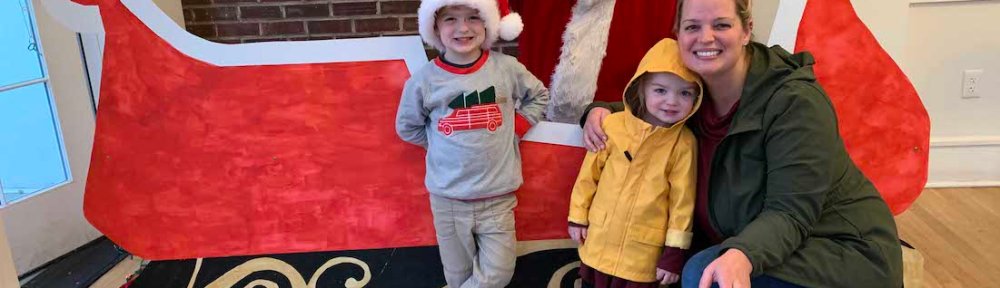
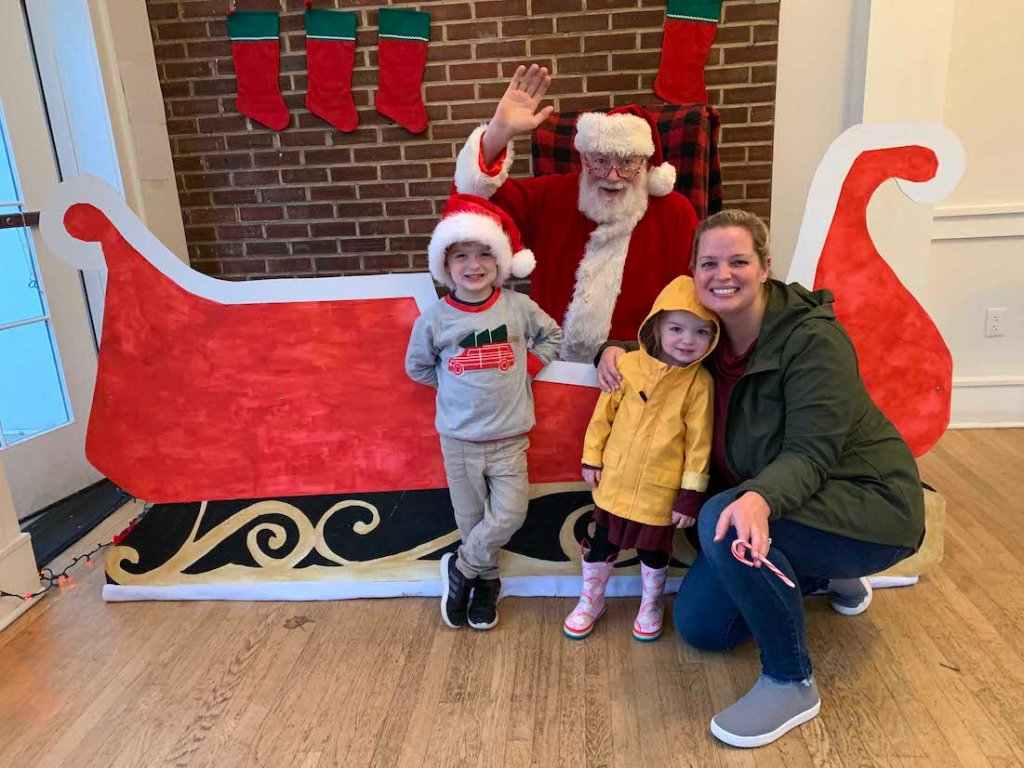
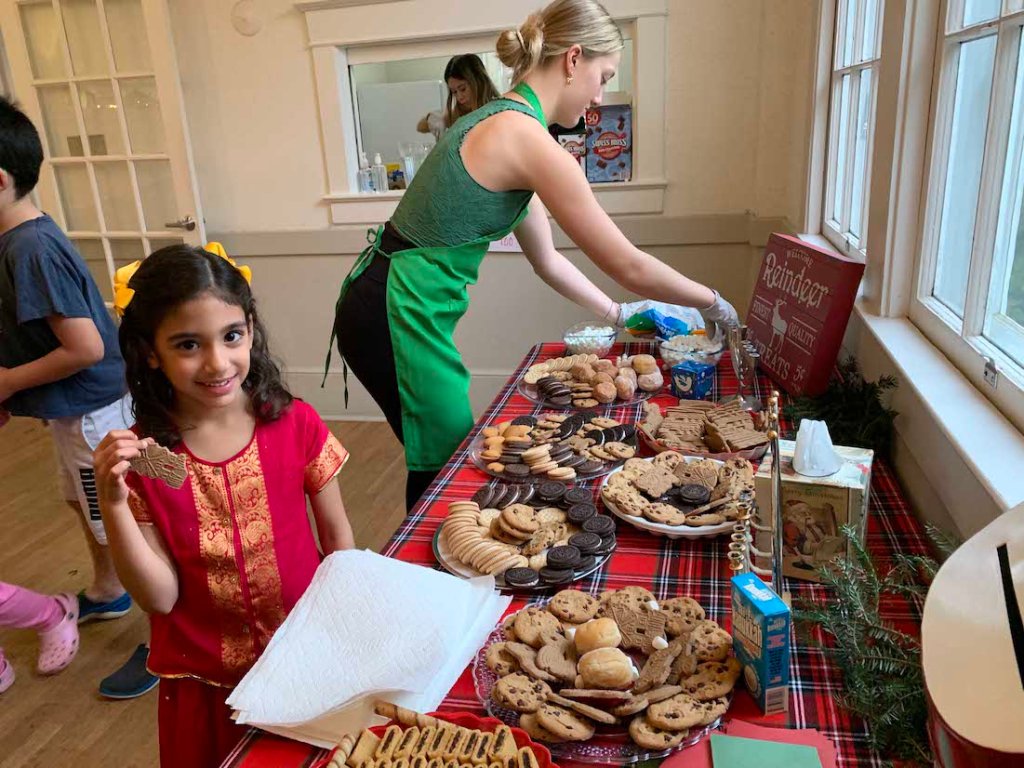
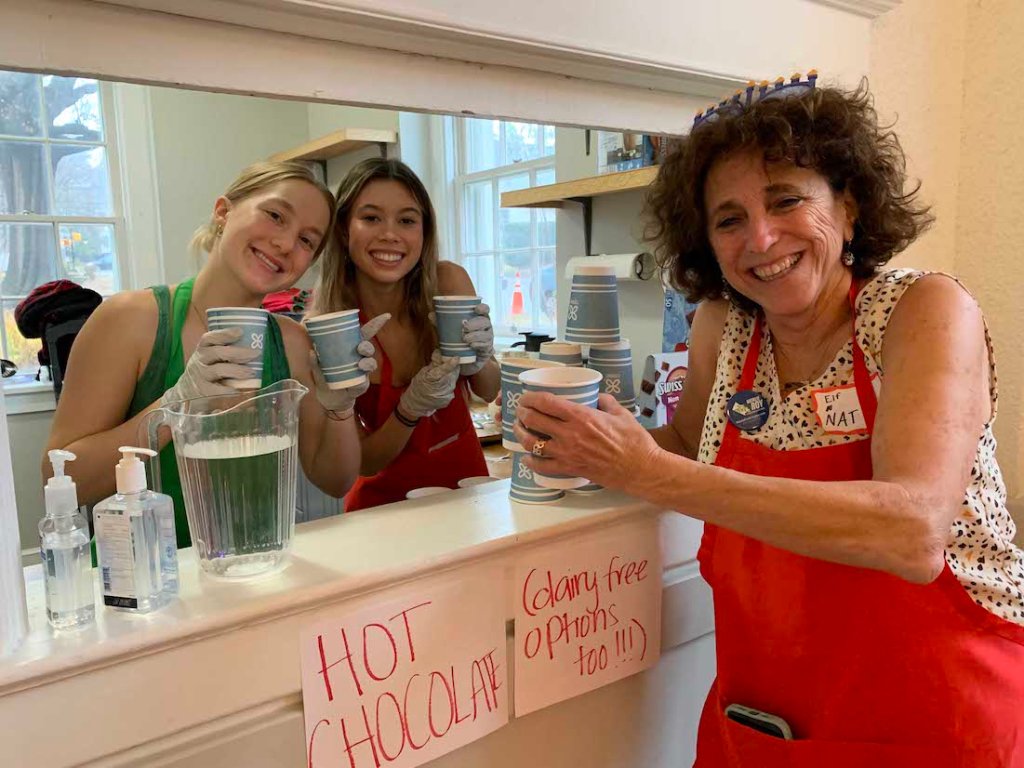
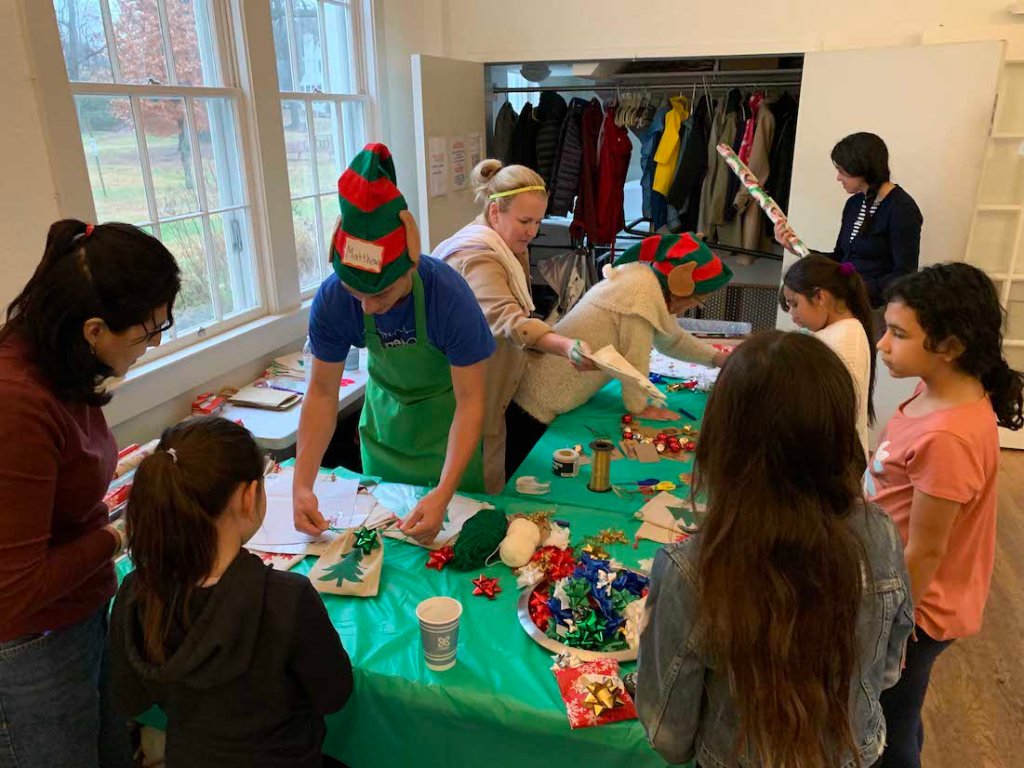
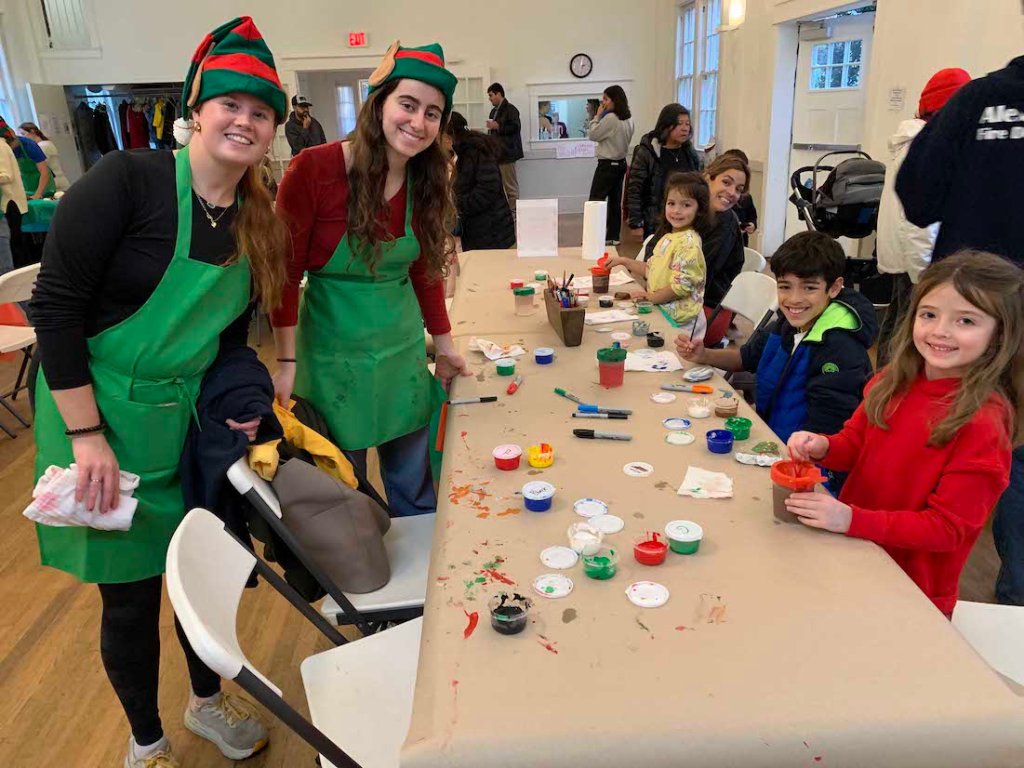
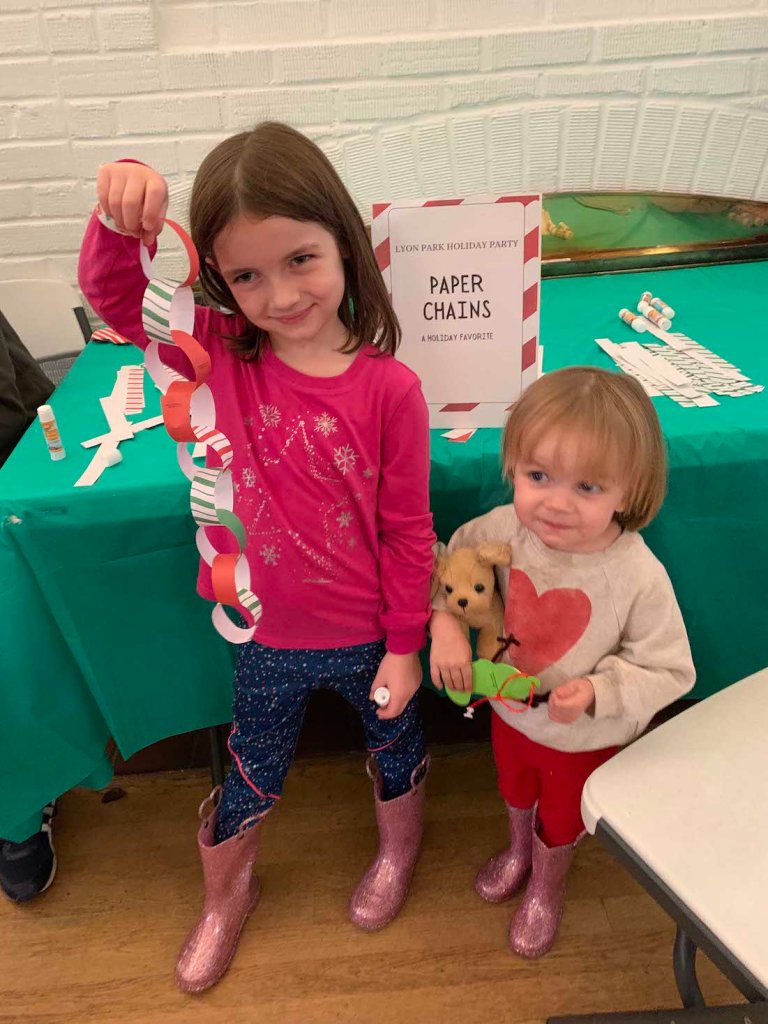
Oh, the weather outside was frightful, but the party inside the community center, held on December 10, was so delightful! Decorations were placed by the chimney with care. Children participated in activities at every table—paint and projects were everywhere. Hot chocolate flowed, mini marshmallows were dunked, and candy canes consumed. Cookies and jelly donuts were eaten by the handful. 

The elves expertly managed the lines of children waiting to visit Santa, who made an early December visit to Lyon Park. And kudos to Darcy Rosenbaum, our holiday party chair, created a magical and enchanting scene in the center—nobody decorates a party like Darcy! Natalie Roy and Kim Franklin added their expertise to ensure the event ran smoothly. Many thanks to the parents and kids who came out to enjoy the party. This is another of our treasured community annual events, which marked a terrific start to the holiday season and once more filled our Community House with the smiles and laughter of happy families.

Neighborhood Planning Case Study: Livability 22202

By Jane Seigel, former Arlington County Planning Commissioner and Aurora Highlands resident

Following Amazon’s selection of Pentagon and Crystal City for their new headquarters in 2018, and prior to the advent of the Pentagon City Sector Plan, three neighborhood civic associations—Aurora Highlands, Arlington Ridge, and Crystal City—came together to create a document that detailed shared values and goals to achieve a better, more livable neighborhood. The resulting Livability 22202 framework, published in 2019 and shared with Arlington County planners, has influenced the County’s approach to the area’s large-scale development. The framework strongly recommended prioritizing public needs including open and green spaces, walkability, tree canopy, housing affordability, and other public goods. All completed in one year, a record for the process.

When the County went out with an RFP for the consultant to help manage the development process, it included the Livability 22202 program in the RFP. The Livability priorities influenced the negotiations with the County and the company and formed the basis of the Plan. More than a year after the authorization of the Plan, the County returned to the Livability 22202 creators to request a new read on citizen priorities. At an October 2023 meeting, the three civic associations met to provide input, consider progress under the plan, and focus on which priorities require additional attention. 

Amazon’s HQ2 in Metropolitan Park, and the follow-on process, are successful examples of the much vaunted and criticized “Arlington Way.” To effectively exert citizen influence with the County, these neighborhoods first created consensus among themselves, articulated in some detail what is desired, developed contacts among stakeholders, and publicly presented their proposals. 

The Action Plan focuses on specific objectives and outcomes outlined to accommodate the expected growth over the next decades. Key priorities and recommended actions are summarized under the following topics:

– Address Housing Affordability

– Provide Essential Services Across the Community 

– Foster Environmental Sustainability 

– Encourage Engagement, Arts and Culture 

– Extend the Multimodal Transportation Network 

The issues and the politics may vary across Arlington, but the Arlington Way requires constructive citizen engagement, consensus building, leadership, and follow-through. The Livability 22202 framework and ongoing update process is a recent example of how civic associations can work together with the County to highlight shared priorities and positively influence planning outcomes.

Word of the Day: Semiquincentennial

What is a Semiquincentennial? It’s a fancy and hard-to-spell way of saying “half of 500 years,” and it describes the 250th Anniversary of the founding of our country (1776–2026). As the United States starts to focus on the upcoming milestone in 2026, Virginia is already off and running, and Arlington is playing a big role in the celebration. 

ArlingtonVA250 leadership, headed by Annette Benbow of the Arlington Historical Society, launched the process with a county-wide organizing meeting in November, which included an impressive cross-section of Arlington organizations and interest groups, from civic associations to historical groups, performing arts and military associations. As the planning gets underway, ArlingtonVA250 invites all who are interested in exploring and honoring our history to get involved. 

You can access the meeting’s PowerPoint here:
https://drive.google.com/drive/folders/1Hzgb_vYpxg9O6lZgpSd-9LTLrgppUPYF

Here are a few key points that emerged from the meeting:

– The vision includes many types and themes of events, not limited to just the Revolutionary War era. 

– Events can commemorate any or all of America’s successes, failures, and continuing challenges.

– Events should reflect the many voices in Arlington’s diverse population. 

– Events are welcome through 2031 (250 years after the battles ended). 

– There are state resources and grant opportunities available. 

– The celebrations will likely include historical reenactments, visual and performing arts, highlighting historical places and artifacts, and community gatherings, parades, and more.

– Arlington will have a web page on the VA250 website outlining: What is Arlington’s Story; Places to See; and Events in Arlington.

Fifty years ago, the Bicentennial (1776–1976) ignited a renewed commitment to civic engagement, historical discovery, and appreciation for our nation’s great strengths and awareness of its weaknesses. The Lyon Park newsletter was started in 1976 to connect and inform neighbors of the important issues affecting the community. It will be exciting to see how Lyon Park chooses to commemorate another 50 years of “the great experiment” which dovetails with the centennial celebration of the Lyon Park Community Center, which was built of, by, and for the people of Lyon Park.

Planning will begin in earnest after the New Year, and meetings will be accessible via Zoom. Share your ideas at the January 10 LPCA meeting or contact elizabeth.r.sheehy@gmail.com.