By Elaine Simmons
The sudden storm that walloped Arlington in late July will not soon be forgotten. Violent downbursts felled some of our most magnificent trees, many of which were oaks that came up by the root ball. This may leave some people wary of trees, but the benefits of large, healthy trees far outweigh the risks. Trees mitigate flooding, hold onto soil to reduce erosion, lower our utility bills, improve air quality—and of course are aesthetically pleasing. With the right trees properly planted and cared for, we can enjoy them more and worry about them less.
Our Extension Agent, Kirsten Ann Conrad, provided expert advice on increasing trees’ resiliency to storms. Trees should be under the regular care of a certified arborist, who will look for weak or damaged limbs and ensure proper, regular pruning. You should avoid construction and other soil-compacting actions near the roots and keep mowers and trimmers away from the tree.
Trees with deep, wide spreading root systems are less likely to blow over, so don’t plant a shade tree in an area confined by structures or pavement. In smaller areas, plant smaller native trees such as fringe tree, dogwood, American holly, and redbud. Trees planted in groups, rather than as single specimens, are more likely to weather high winds. Consider planting new trees in a grove, with several different types of trees grouped together. If you have existing single trees, plant additional trees and shrubs close by and mulch the entire area to create a landscape bed.

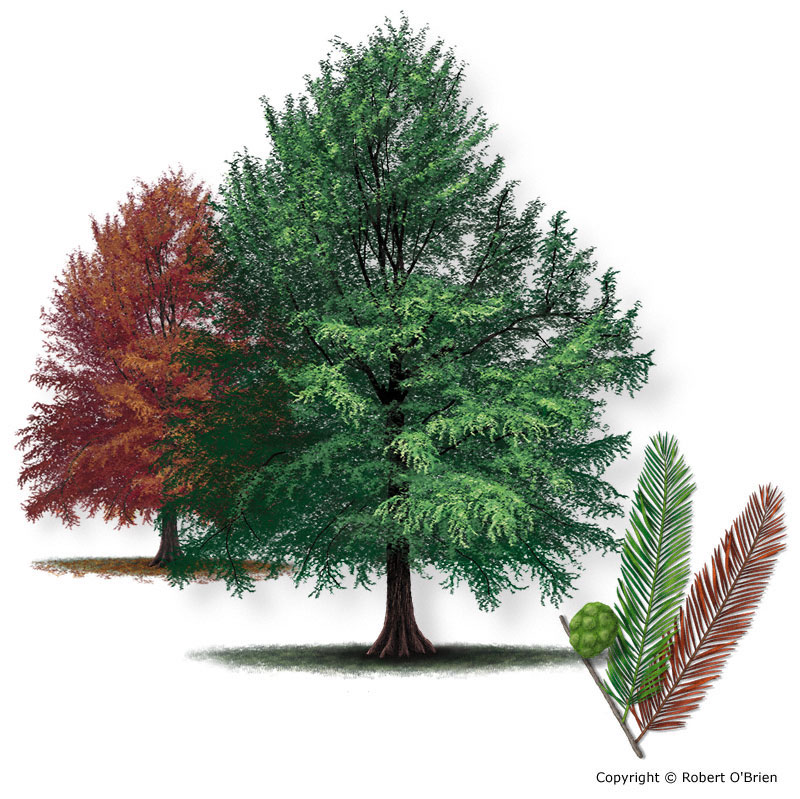
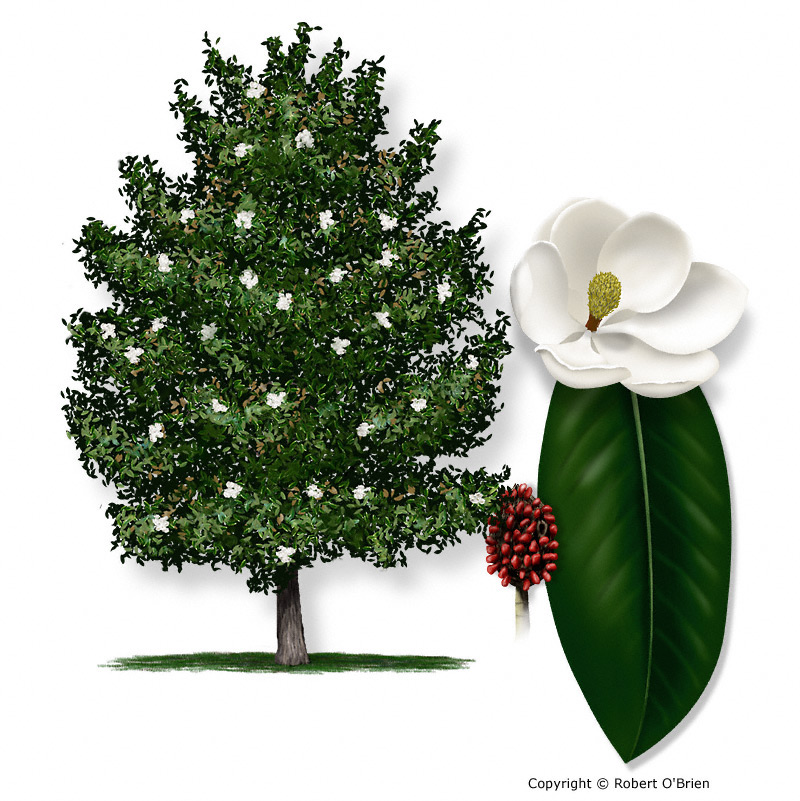
Some shade tree species are better able to withstand strong winds than others. Trees that are best at surviving hurricanes in southern states include southern magnolia and bald cypress. Other large maturing trees that prove moderately to highly wind-resistant are hickory, persimmon, shumard oak, river birch, and black gum, also known as tupelo. All these species thrive here, but consult Lyon Park tree stewards for the best trees for your yard.
I love all these trees but if I had room for one more, I would plant an oak because oaks support more life-forms than any other North American tree genus and we desperately need to save native habitat in our neighborhood.
 lyonpark.org